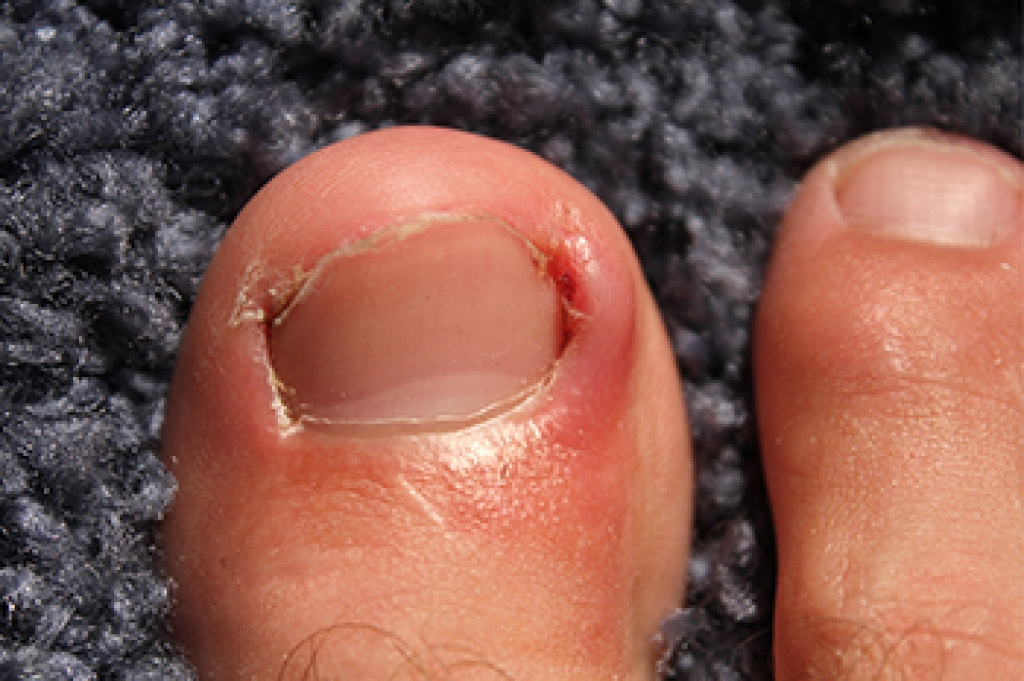
Ingrown Toenails and Infection Control

Ingrown toenails, a common condition where the nail grows into the toe's skin, can lead to infections if not properly managed. They most often affect the big toe and can result from trauma, improper nail trimming, and wearing tight footwear. The skin surrounding the ingrown nail becomes red, swollen, and painful, and may produce pus, indicating an infection. Preventing infection in ingrown toenails involves proper foot hygiene and nail care. Toenails should be cut straight across, avoiding rounding the corners which can encourage the nail to grow into the skin. Wearing properly fitting shoes that provide enough space for the toes to wiggle freely in can also reduce the risk. If you have an ingrown toenail and suspect an infection, it is strongly suggested that you make an appointment with a podiatrist for an evaluation and treatment.

Ingrown toenails may initially present themselves as a minor discomfort, but they may progress into an infection in the skin without proper treatment. For more information about ingrown toenails, contact Patricia Mcilrath, DPM of Health One Podiatry. Our doctor can provide the care you need to keep you pain-free and on your feet.

Ingrown Toenails

Ingrown toenails are caused when the corner or side of a toenail grows into the soft flesh surrounding it. They often result in redness, swelling, pain, and in some cases, infection. This condition typically affects the big toe and may recur if it is not treated properly.

Causes

  • Improper toenail trimming
  • Genetics
  • Improper shoe fitting
  • Injury from pedicures or nail picking
  • Abnormal gait
  • Poor hygiene

You are more likely to develop an ingrown toenail if you are obese, have diabetes, arthritis, or have any fungal infection in your nails. Additionally, people who have foot or toe deformities are at a higher risk of developing an ingrown toenail.

Symptoms

Some symptoms of ingrown toenails are redness, swelling, and pain. In rare cases, there may be a yellowish drainage coming from the nail.

Treatment

Ignoring an ingrown toenail can have serious complications. Infections of the nail border can progress to a deeper soft-tissue infection, which can then turn into a bone infection. You should always speak with your podiatrist if you suspect you have an ingrown toenail, especially if you have diabetes or poor circulation.

If you have any questions, please feel free to contact our offices located in Reading and Rittenhouse Square, PA . We offer the newest diagnostic and treatment technologies for all your foot care needs.
Read more about Ingrown Toenails

Effective Fall Prevention Strategies for the Home

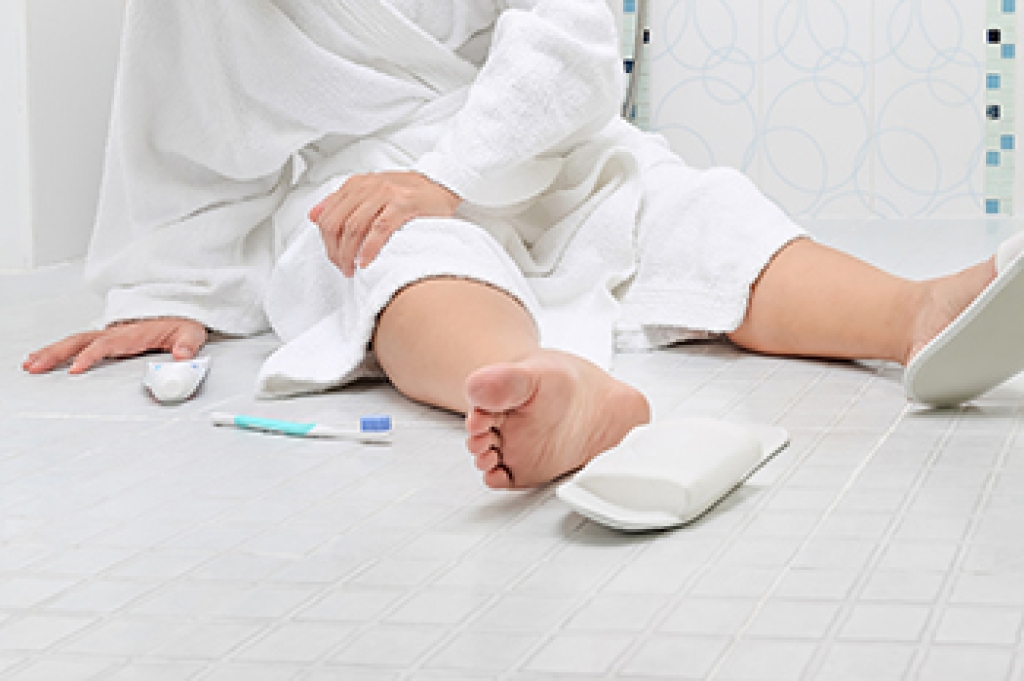
Preventing falls at home is essential for maintaining safety, especially for seniors or those with mobility challenges. You can take several steps to create a safer living environment. Begin by evaluating your home for potential hazards, paying close attention to loose rugs, clutter, and uneven surfaces. Ensure that walkways are clear, and keep frequently used items within easy reach. It is helpful to install handrails and grab bars in critical areas such as bathrooms and staircases that can provide essential support. Having adequate lighting is important so make sure that rooms and hallways are well-lit, with light switches easily accessible. Consider using non-slip mats in the bathroom and kitchen to reduce the risk of slipping. Furniture arrangement also plays a role, and it is beneficial to have it arranged in a style that can create clear pathways and ensure stability. Wearing supportive footwear with non-slip soles is essential, as it can greatly reduce the risk of falls. Additionally, staying physically active and maintaining muscle strength can improve balance and coordination, making falls less likely. Falling can greatly impact the feet, and it is suggested that you visit a podiatrist who can help you implement successful fall prevention strategies.

Preventing falls among the elderly is very important. If you are older and have fallen or fear that you are prone to falling, consult with Patricia Mcilrath, DPM from Health One Podiatry. Our doctor will assess your condition and provide you with quality advice and care.

Every 11 seconds, an elderly American is being treated in an emergency room for a fall related injury. Falls are the leading cause of head and hip injuries for those 65 and older. Due to decreases in strength, balance, senses, and lack of awareness, elderly persons are very susceptible to falling. Thankfully, there are a number of things older persons can do to prevent falls.

How to Prevent Falls

Some effective methods that older persons can do to prevent falls include:

  • Enrolling in strength and balance exercise program to increase balance and strength
  • Periodically having your sight and hearing checked
  • Discuss any medications you have with a doctor to see if it increases the risk of falling
  • Clearing the house of falling hazards and installing devices like grab bars and railings
  • Utilizing a walker or cane
  • Wearing shoes that provide good support and cushioning
  • Talking to family members about falling and increasing awareness

Falling can be a traumatic and embarrassing experience for elderly persons; this can make them less willing to leave the house, and less willing to talk to someone about their fears of falling. Doing such things, however, will increase the likelihood of tripping or losing one’s balance. Knowing the causes of falling and how to prevent them is the best way to mitigate the risk of serious injury.  

If you have any questions, please feel free to contact our offices located in Reading and Rittenhouse Square, PA . We offer the newest diagnostic and treatment technologies for all your foot care needs.
Read more about Falls Prevention

The Significance of Running Shoe Rotation

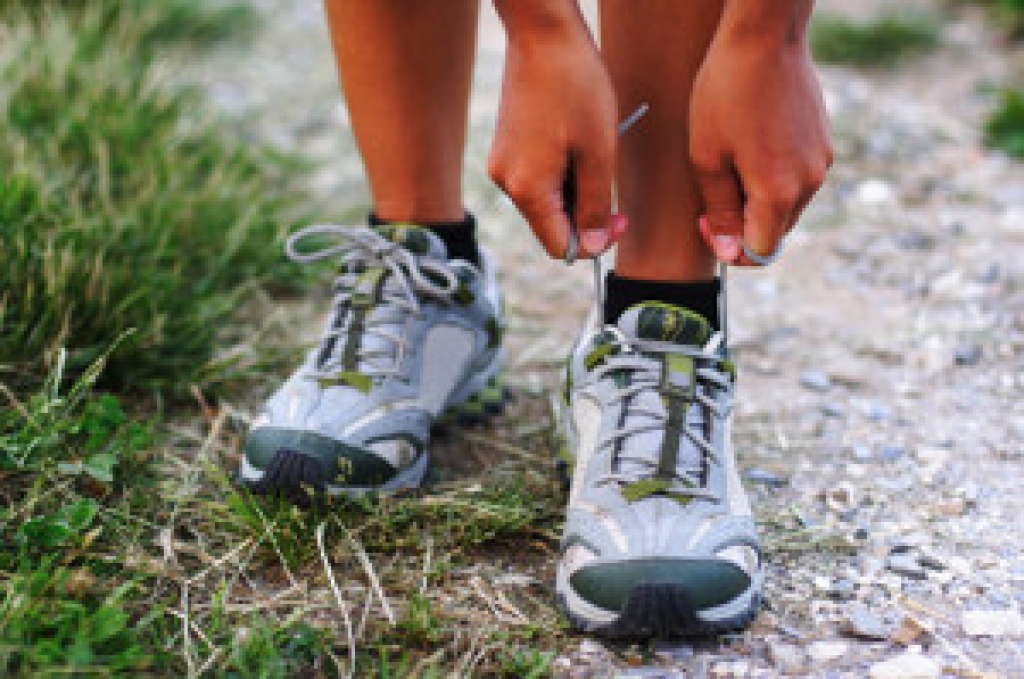
Running is a fantastic way to stay fit and relieve stress, but it can also take a toll on your feet and shoes. This is where the practice of running shoe rotation comes into play. It involves switching between different pairs of running shoes to distribute the impact and wear more evenly. The importance of running shoe rotation lies in several key benefits. First, it prolongs the lifespan of your shoes. Continuous use of the same pair can lead to faster wear and tear, reducing their support and cushioning. Rotating between multiple pairs allows each shoe to recover between runs. Additionally, it helps prevent overuse injuries. Each pair of running shoes has a unique cushioning and support system. By alternating between them, you may reduce the risk of overloading specific muscle groups and joints. This can help to lower the risk of injuries such as shin splints, stress fractures, and Achilles tendonitis. Different shoes can provide variations in comfort and performance, giving your feet a break from repetitive motion and potentially improving your performance. Whether you are a seasoned runner or just starting out, incorporating a rotation schedule into your running routine can help keep your feet healthy and your runs enjoyable. For more information about running shoes and the importance of rotating them or if you have endured a foot or ankle injury from running, it is suggested that you speak with a podiatrist.

You should always make sure your running shoes fit properly in order to avoid injury. For more information, contact Patricia Mcilrath, DPM from Health One Podiatry. Our doctor can provide the care you need to keep you pain-free and on your feet.

Choosing the Right Running Shoe for Your Foot Type

Improper shoe sizing can cause a myriad of problems for your feet. Shoes that don’t fit you properly can lead to muscular imbalances in your body, which can result in foot, knee, and hip injuries.

Tips for Finding the Right Running Shoe

  • Make sure you have a thumb’s width of wiggle room between the end of your longest toe and the front of the shoe.
  • There should be little to no slipping at the heel
  • Don’t assume your size in one shoe brand will be your size in another
  • Do not lace up your shoes too tightly
  • Walk around in the store with your new shoes before you buy them

If you have any questions, please feel free to contact our offices located in Reading and Rittenhouse Square, PA . We offer the newest diagnostic and treatment technologies for all your foot care needs.

Read more about Choosing the Right Running Shoe

Foods That May Lead To Swollen Feet

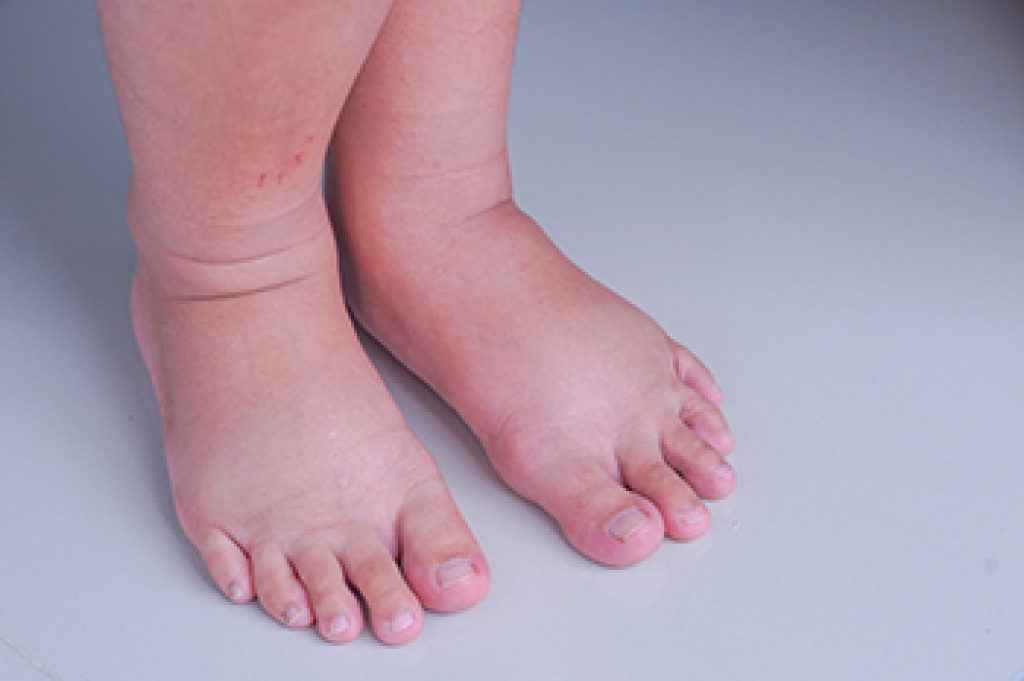
Swollen feet can be uncomfortable and concerning, and often, it is not just about wearing the wrong shoes or standing for extended periods. Your diet also plays a significant role in this. Some foods can contribute to fluid retention, leading to swollen feet. Sodium-rich foods, such as processed snacks and canned soups, are notorious culprits. They cause your body to retain water, leading to edema. Sugary foods and beverages can also contribute to this problem, as excessive sugar intake can lead to inflammation and water retention. Additionally, it is essential to watch your alcohol consumption. Alcohol can dehydrate your body, prompting it to retain water when you finally do drink fluids. Furthermore, fried and fatty foods can cause inflammation, impacting circulation and potentially leading to swollen feet. If you have noticed your feet have become swollen, it is suggested that you are under the care of a podiatrist who can guide you toward relief and prevention tactics.

Swollen feet can be a sign of an underlying condition. If you have any concerns, contact Patricia Mcilrath, DPM of Health One Podiatry. Our doctor can provide the care you need to keep you pain-free and on your feet.

Swollen feet are a common ailment among pregnant women and people who stand or sit for extended periods. Aging may increase the possibility of swollen feet and patients who are obese often notice when their feet are swelling too. There may be medical reasons why swollen feet occur:

  • Phlebitis - A condition that causes the veins to become inflamed and can also cause leg pain.
  • Liver disease - This may lead to low blood levels of albumin which is a protein. This can cause fluid in the blood to pass into the tissues and several areas of the body can become swollen.
  • Heart failure - When the heart doesn’t pump properly the blood that is normally pumped back to the heart can pool in the veins of the legs causing swollen feet.
  • Kidney disease - One of the main functions of the kidneys is releasing excess fluid in the body. This type of condition can make it difficult for the kidneys to function properly, and as a result the feet may become swollen.
  • Deep-vein thrombosis (DVT)- This is a serious condition where blood clots form in the veins of the legs. They can block the return of blood from the legs to the heart which may cause the feet to swell. It is important to be treated by a podiatrist if this condition is present.

Swollen feet can also be caused by bone and tendon conditions, including fractures, arthritis, and tendinitis. Additionally, there may be skin and toenail conditions and an infection may cause the feet to swell. Patients who take medicine to treat high blood pressure may be prone to getting swollen feet. 

Many patients elevate their feet to help relieve the swelling and this is generally a temporary remedy. When a podiatrist is consulted the reason behind the swelling can be uncovered and subsequently treated.

If you have any questions please contact our offices located in Reading and Rittenhouse Square, PA . We offer the newest diagnostic and treatment technologies for all your foot and ankle needs.

Read more about Swelling of the Feet

Connect With Us

scroll to top