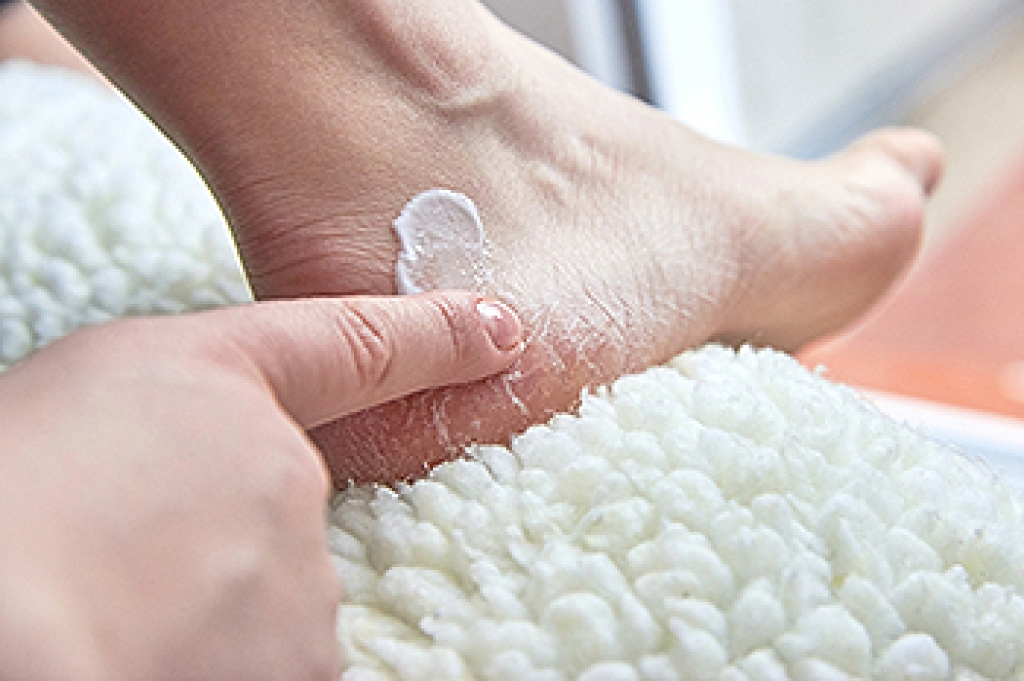
Summer, Obesity, and Cracked Heels

People may be prone to developing the foot condition that is known as cracked heels during the summer months. The warmer months invite flip-flops and backless shoes to be worn, and the heels may suffer. More pressure may be exerted on the heels while walking, which may be a result of a change in gait, or walking style. Obesity can also be a reason why cracked heels can develop, which can be from the excess weight the feet endure. Signs of cracked heels can begin with the skin becoming thicker, followed by small cracks forming. If prompt attention is not received, they can deepen into fissures, and possibly become infected. Mild relief may be found when the feet are washed and dried daily, and a good moisturizer is applied to them. Effective prevention methods for cracked heels can include wearing shoes that have a closed back and drinking plenty of water daily. If you have developed cracked heels, it is suggested that you confer with a podiatrist who can offer you helpful relief remedies.

Cracked heels are unsightly and can cause further damage to your shoes and feet. If you have any concerns, contact Patricia Mcilrath, DPM from Health One Podiatry. Our doctor can provide the care you need to keep you pain-free and on your feet.

Cracked Heels

Cracked heels appear unappealing and can make it harder for you walk around in sandals. Aside from looking unpleasant, cracked heels can also tear stockings, socks, and wear out your shoes. There are several methods to help restore a cracked heel and prevent further damage.

How Do You Get Them?

Dry skin is the number one culprit in creating cracked heels. Many athletes, walkers, joggers, and even swimmers suffer from cracked heels. Age and skin oil production play a role to getting cracked heels as well.

Promote Healing

Over the counter medicines can help, especially for those that need instant relief or who suffer from chronic dry feet.

Wear Socks – Wearing socks with medicated creams helps lock in moisture.

Moisturizers – Applying both day and night will help alleviate dryness which causes cracking.

Pumice Stones – These exfoliate and remove dead skin, which allows for smoother moisturizer application and better absorption into the skin. 

Change in Diet

Eating healthy with a well-balanced diet will give the skin a fresh and radiant look. Your body responds to the kinds of food you ingest. Omega-3 fatty acids and zinc supplements can also revitalize skin tissue.

Most importantly, seek professional help if unsure how to proceed in treating cracked heels. A podiatrist will help you with any questions or information needed. 

If you have any questions, please feel free to contact our offices located in Reading and Rittenhouse Square, PA . We offer the newest diagnostic and treatment technologies for all your foot care needs.

Read more about Solutions for Cracked Heels

Causes of a Broken Foot

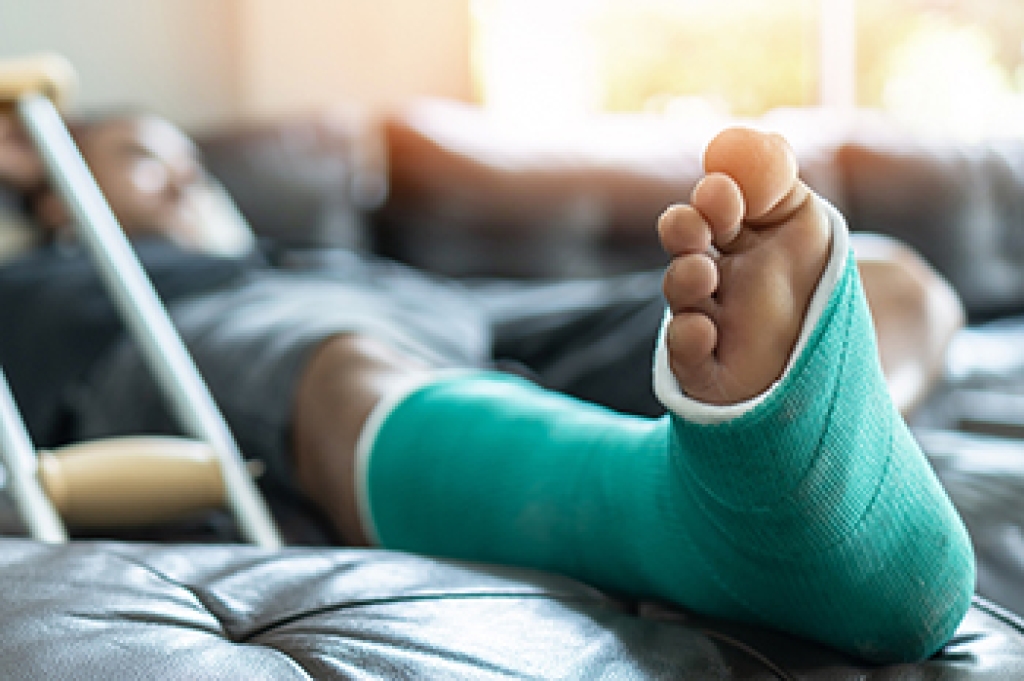
A broken foot is painful. It generally happens suddenly from falling and is considered a common type of injury. Bruising, severe pain, and swelling often accompany a broken foot, and the range of motion can be limited. Walking is difficult, if not impossible, and prompt medical attention is typically sought for relief. Dropping a heavy object on the foot is also a common cause of a broken foot, and the severity of the break may depend on the angle the object was dropped from. People who frequently participate in sporting activities may endure a broken foot, and soccer players may be prone to incurring this type of fracture from kicking the ball. A diagnosis consisting of having an X-ray taken can be performed, followed by beginning the correct treatment. Most people who have broken footwear have a cast or protective boot until it has healed, which can take several weeks. If you have broken your foot, it is suggested that you speak with a podiatrist who can correctly diagnose and treat this condition.

A broken foot requires immediate medical attention and treatment. If you need your feet checked, contact Patricia Mcilrath, DPM from Health One Podiatry. Our doctor can provide the care you need to keep you pain-free and on your feet.

Broken Foot Causes, Symptoms, and Treatment

A broken foot is caused by one of the bones in the foot typically breaking when bended, crushed, or stretched beyond its natural capabilities. Usually the location of the fracture indicates how the break occurred, whether it was through an object, fall, or any other type of injury. 

Common Symptoms of Broken Feet:

  • Bruising
  • Pain
  • Redness
  • Swelling
  • Blue in color
  • Numbness
  • Cold
  • Misshapen
  • Cuts
  • Deformities

Those that suspect they have a broken foot shoot seek urgent medical attention where a medical professional could diagnose the severity.

Treatment for broken bones varies depending on the cause, severity and location. Some will require the use of splints, casts or crutches while others could even involve surgery to repair the broken bones. Personal care includes the use of ice and keeping the foot stabilized and elevated.

If you have any questions, please feel free to contact our offices located in Reading and Rittenhouse Square, PA . We offer the newest diagnostic and treatment technologies for all your foot care needs.
Read more about Causes, Symptoms, and Treatment for a Broken Foot

Orange Feet in Toddlers

Many new parents often go to great lengths to protect the health of their newborn baby. One critical element of protecting a newborn’s health is helping the baby maintain proper foot care. Sometimes, it is possible for newborns to demonstrate slight discoloration in the feet. Specifically, the newborn may present an orange or yellowish color in the feet. This phenomenon might be explained by the fact that the baby possibly had an increase in beta-carotene levels of the blood. This condition is sometimes referred to as carotenemia, which can be more prominent in toddlers. If your baby has orange feet, it is suggested that you consult a podiatrist to help address this issue.

Making sure that your children maintain good foot health is very important as they grow. If you have any questions, contact Patricia Mcilrath, DPM of Health One Podiatry. Our doctor can provide the care you need to keep you pain-free and on your feet.

Keeping Children's Feet Healthy

Having healthy feet during childhood can help prevent medical problems later in life, namely in the back and legs. As children grow, their feet require different types of care. Here are some things to consider...

Although babies do not walk yet, it is still very important to take care of their feet.

Avoid putting tight shoes or socks on his or her feet.

Allow the baby to stretch and kick his or her feet to feel comfortable.

As a toddler, kids are now on the move and begin to develop differently. At this age, toddlers are getting a feel for walking, so don’t be alarmed if your toddler is unsteady or ‘walks funny’. 

As your child gets older, it is important to teach them how to take care of their feet.

Show them proper hygiene to prevent infections such as fungus.

Be watchful for any pain or injury.

Have all injuries checked by a doctor as soon as possible.

Comfortable, protective shoes should always be worn, especially at play.

If you have any questions, please feel free to contact our offices located in Reading and Rittenhouse Square, PA . We offer the newest diagnostic and treatment technologies for all your foot care needs.
Read more about How to Care for Your Child's Feet

Are You Suffering From Nerve Damage?

Neuropathy is a condition that can lead to numbness or loss of sensation in the feet, but it can also cause pain. This condition is more likely to develop for those who are diabetic, obese, or with high blood pressure.

Bunions and Climbing

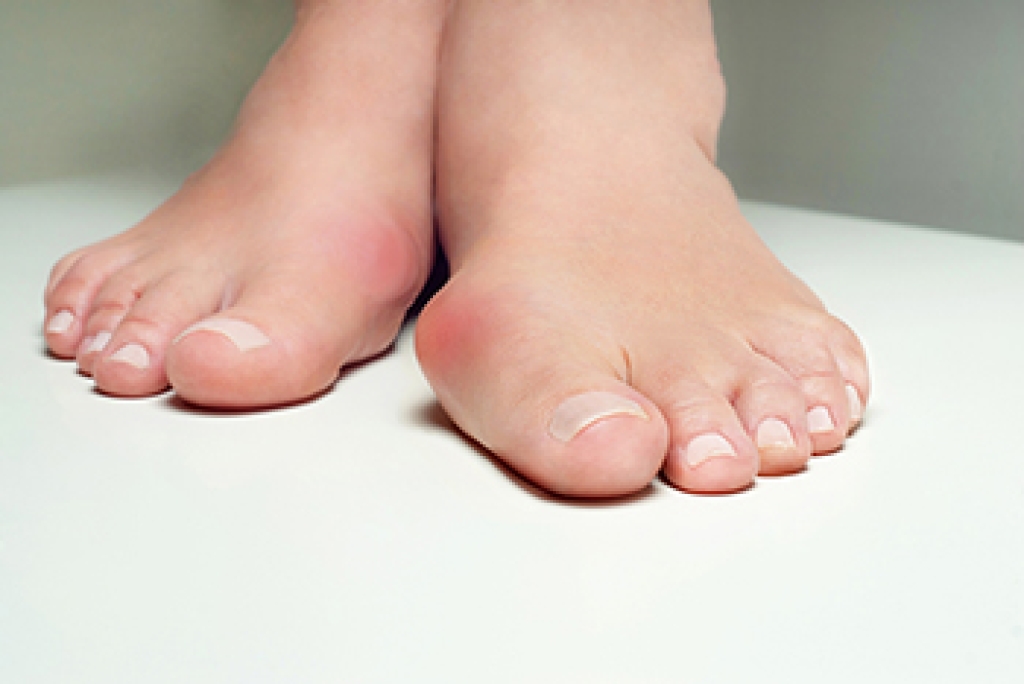
Bunions are a specific kind of foot affliction that can develop when a bony bump forms on the side of the foot, commonly at the big toe. Bunions may also develop near the pinky toe. Living with a bunion can make particular physical activities significantly more difficult to engage in. For example, climbing is an activity that many Americans enjoy. However, climbing with ill-fitting footwear can increase one’s risk of developing a bunion. In particular, climbing with shoes that are too tight can ultimately lead to bunion formation. Since climbing requires a person to put a significant amount of pressure on the feet, climbing with bunions may prove to be challenging. If you are a climber and want to prevent or treat a foot condition like bunions, it is suggested that you schedule an appointment with a podiatrist today.

If you are suffering from bunions, contact Patricia Mcilrath, DPM of Health One Podiatry. Our doctor can provide the care you need to keep you pain-free and on your feet.

What Is a Bunion?

A bunion is formed of swollen tissue or an enlargement of boney growth, usually located at the base joint of the toe that connects to the foot. The swelling occurs due to the bones in the big toe shifting inward, which impacts the other toes of the foot. This causes the area around the base of the big toe to become inflamed and painful.

Why Do Bunions Form?

Genetics – Susceptibility to bunions are often hereditary

Stress on the feet – Poorly fitted and uncomfortable footwear that places stress on feet, such as heels, can worsen existing bunions

How Are Bunions Diagnosed?

Doctors often perform two tests – blood tests and x-rays – when trying to diagnose bunions, especially in the early stages of development. Blood tests help determine if the foot pain is being caused by something else, such as arthritis, while x-rays provide a clear picture of your bone structure to your doctor.

How Are Bunions Treated?

  • Refrain from wearing heels or similar shoes that cause discomfort
  • Select wider shoes that can provide more comfort and reduce pain
  • Anti-inflammatory and pain management drugs
  • Orthotics or foot inserts
  • Surgery

If you have any questions, please feel free to contact our offices located in Reading and Rittenhouse Square, PA . We offer the newest diagnostic and treatment technologies for all your foot care needs.

Read more about Bunions

Connect With Us

scroll to top