Foot Pain May Indicate Arthritis

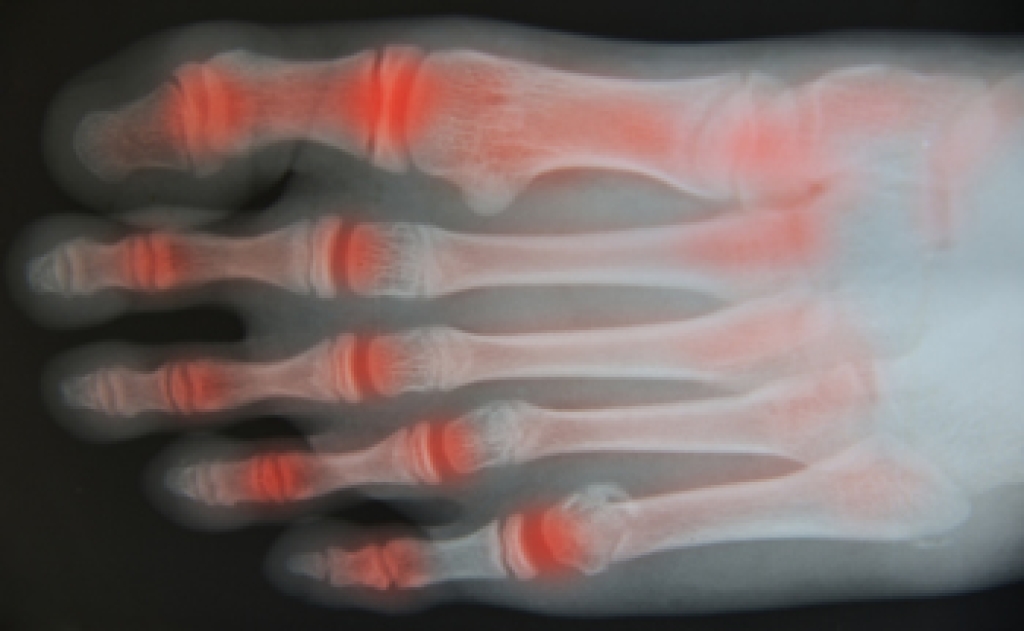
When it comes to foot pain, it's important to recognize that it can be more than just a temporary inconvenience. In fact, in many cases, foot pain might be an early sign of arthritis. This widespread condition affects millions of people worldwide, and it can have a profound effect on various joints throughout the body, including those in the feet. One of the most prevalent forms of arthritis that affects the feet is osteoarthritis. This condition develops as the cartilage cushioning the joints wears down over time, leading to persistent pain, stiffness, and swelling. Another type, rheumatoid arthritis, is an autoimmune disorder that can also target the foot joints, resulting in discomfort and deformities. It is important not to ignore foot pain, as it might be your body's early warning signal for an underlying arthritis condition. If you're experiencing persistent foot pain, especially in the morning or after periods of inactivity, it's suggested that you make an appointment with a podiatrist for a comprehensive examination, necessary diagnostic tests, and a tailored treatment plan to manage your symptoms effectively. 

Arthritis can be a difficult condition to live with. If you are seeking treatment, contact Patricia Mcilrath, DPM from Health One Podiatry. Our doctor can provide the care you need to keep you pain-free and on your feet.

Arthritic Foot Care  

Arthritis is a term that is commonly used to describe joint pain.  The condition itself can occur to anyone of any age, race, or gender, and there are over 100 types of it.  Nevertheless, arthritis is more commonly found in women compared to men, and it is also more prevalent in those who are overweight. The causes of arthritis vary depending on which type of arthritis you have. Osteoarthritis for example, is often caused by injury, while rheumatoid arthritis is caused by a misdirected immune system.

Symptoms

  • Swelling
  • Pain
  • Stiffness
  • Decreased Range of Motion

Arthritic symptoms range in severity, and they may come and go. Some symptoms stay the same for several years but could potentially get worse with time. Severe cases of arthritis can prevent its sufferers from performing daily activities and make walking difficult.

Risk Factors

  • Occupation – Occupations requiring repetitive knee movements have been linked to osteoarthritis
  • Obesity – Excess weight can contribute to osteoarthritis development
  • Infection – Microbial agents can infect the joints and trigger arthritis
  • Joint Injuries – Damage to joints may lead to osteoarthritis
  • Age – Risk increases with age
  • Gender –Most types are more common in women
  • Genetics – Arthritis can be hereditary

If you suspect your arthritis is affecting your feet, it is crucial that you see a podiatrist immediately. Your doctor will be able to address your specific case and help you decide which treatment method is best for you.

If you have any questions please feel free to contact our offices located in Reading and Rittenhouse Square, PA . We offer the newest diagnostic tools and technology to treat your foot and ankle needs.

Read more about How to Care for Your Arthritic Foot

Gentle Steps to Prevent and Repair Cracked Heels

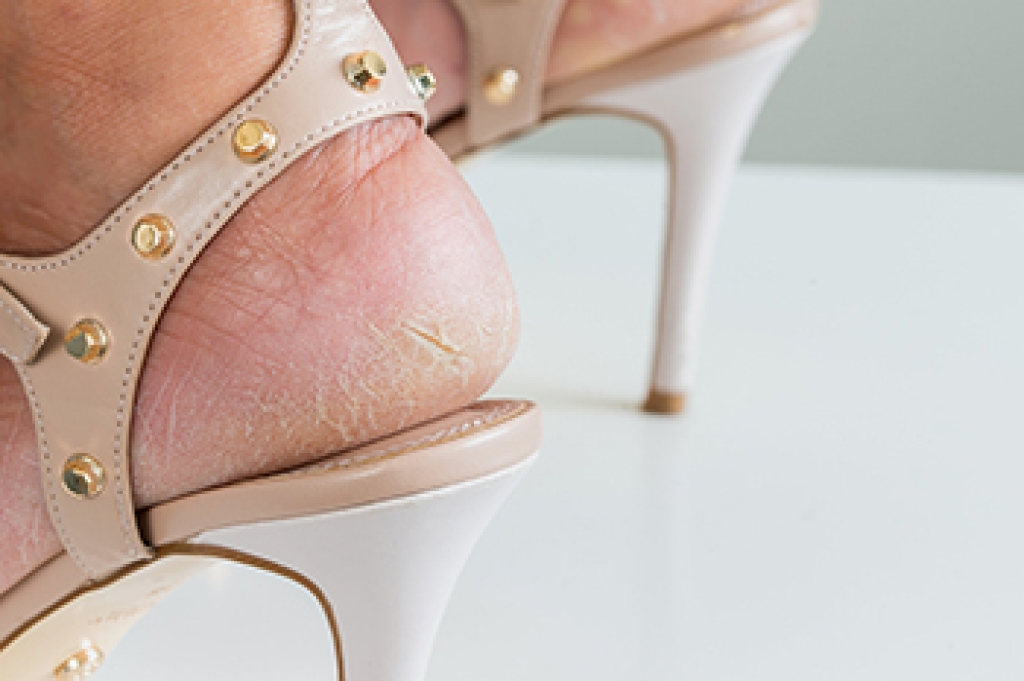
Cracked heels can be both painful and unsightly, but with some simple care and attention, you can prevent and heal them. The key to healthy heels lies in consistent and gentle care. This can begin by moisturizing your feet daily, especially after a warm shower or bath. Opt for a thick, hydrating foot cream or petroleum jelly which can help to lock in moisture. Exfoliating regularly by using a pumice stone or foot scrub can help to remove dead skin, but make sure to be gentle to avoid further irritation. Wearing well-fitting shoes with proper arch support is essential. Avoid walking barefoot or wearing non-supportive footwear. Additionally, maintaining a balanced diet and staying hydrated can help to nourish your skin from within. By following these gentle steps, you can keep your heels soft, smooth, and free from painful cracks. For severe cases of cracked heels, it is suggested that you consult a podiatrist for professional guidance. 

If the skin on your feet starts to crack, you may want to see a podiatrist to find treatment. If you have any concerns, contact Patricia Mcilrath, DPM from Health One Podiatry. Our doctor can provide the care you need to keep you pain-free and on your feet.

Cracked Heels

It is important to moisturize your cracked heels in order to prevent pain, bleeding, and infection. The reason cracked heels form is because the skin on the foot is too dry to support the immense pressure placed on them. When the foot expands, the dry skin on the foot begins to split.

Ways to Help Heal Them

  • Invest in a good foot cream
  • Try Using Petroleum Jelly
  • Ease up on Soaps
  • Drink Plenty of Water

Ways to Prevent Cracked Heels

  • Moisturize After Showering
  • Skip a Shower
  • Keep Shower Water Lukewarm
  • Don’t Scrub Your Feet

If you are unsure how to proceed in treating cracked heels, seek guidance from a podiatrist. Your doctor will help you with any questions or information you may need. 

If you have any questions, please feel free to contact our offices located in Reading and Rittenhouse Square, PA . We offer the newest diagnostic and treatment technologies for all your foot care needs.

Read more about Solutions for Cracked Heels

Essential Foot Care Tips for Diabetics

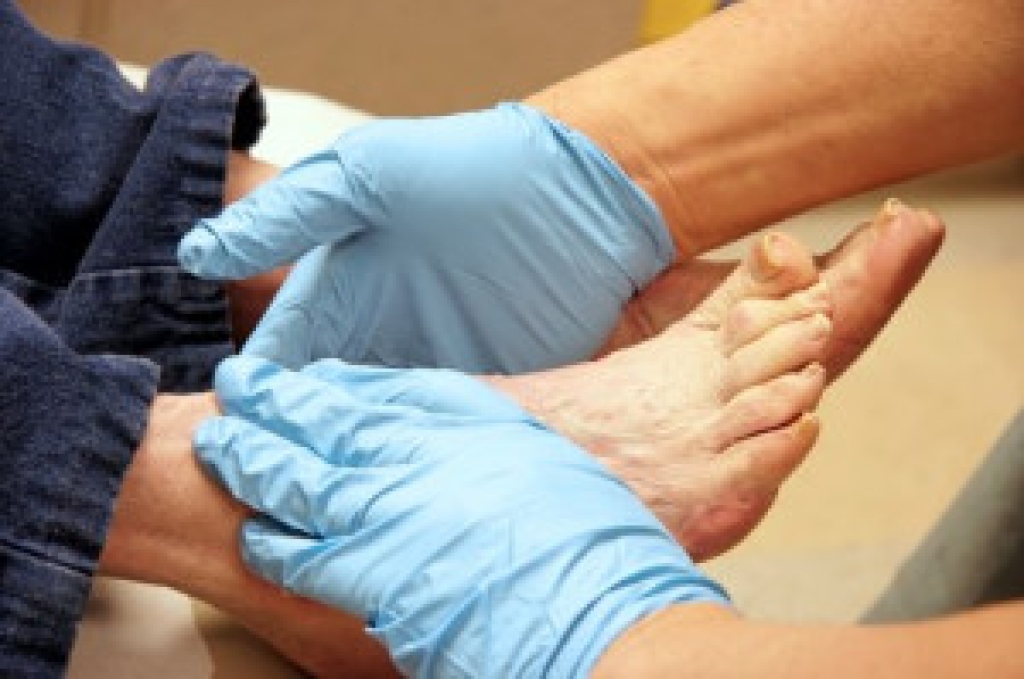
Diabetes is a condition that affects millions of people worldwide, and it demands careful attention to various aspects of one's health. Among these, foot care stands out as a critical concern for individuals living with diabetes. The reason behind this lies in the potential complications that can arise when diabetes goes unmanaged, including neuropathy and poor circulation. These conditions can make the feet susceptible to injuries, ulcers, and infections, which, if left untreated, can lead to severe consequences. To avoid such outcomes, it is imperative for diabetic individuals to adopt a proactive approach to foot care. This includes performing daily inspections, maintaining proper hygiene, and selecting comfortable and well-fitting footwear. Additionally, it is important to ensure that blood sugar levels are within the recommended range. By following these practices, diabetic patients can significantly reduce the risk of foot-related complications. Daily care can go a long way in preserving foot health when living with diabetes. If you have diabetes, it is strongly suggested that you are under the care of a podiatrist who can help you manage this serious condition.

Diabetic foot care is important in preventing foot ailments such as ulcers. If you are suffering from diabetes or have any other concerns about your feet, contact Patricia Mcilrath, DPM from Health One Podiatry. Our doctor can provide the care you need to keep you pain-free and on your feet.

Diabetic Foot Care

Diabetes affects millions of people every year. The condition can damage blood vessels in many parts of the body, especially the feet. Because of this, taking care of your feet is essential if you have diabetes, and having a podiatrist help monitor your foot health is highly recommended.

The Importance of Caring for Your Feet

  • Routinely inspect your feet for bruises or sores.
  • Wear socks that fit your feet comfortably.
  • Wear comfortable shoes that provide adequate support.

Patients with diabetes should have their doctor monitor their blood levels, as blood sugar levels play such a huge role in diabetic care. Monitoring these levels on a regular basis is highly advised.

It is always best to inform your healthcare professional of any concerns you may have regarding your feet, especially for diabetic patients. Early treatment and routine foot examinations are keys to maintaining proper health, especially because severe complications can arise if proper treatment is not applied.

If you have any questions, please feel free to contact our offices located in Reading and Rittenhouse Square, PA . We offer the newest diagnostic and treatment technologies for all your foot care needs.

Read more about Diabetic Foot Conditions

Causes and Symptoms of Foot Blisters

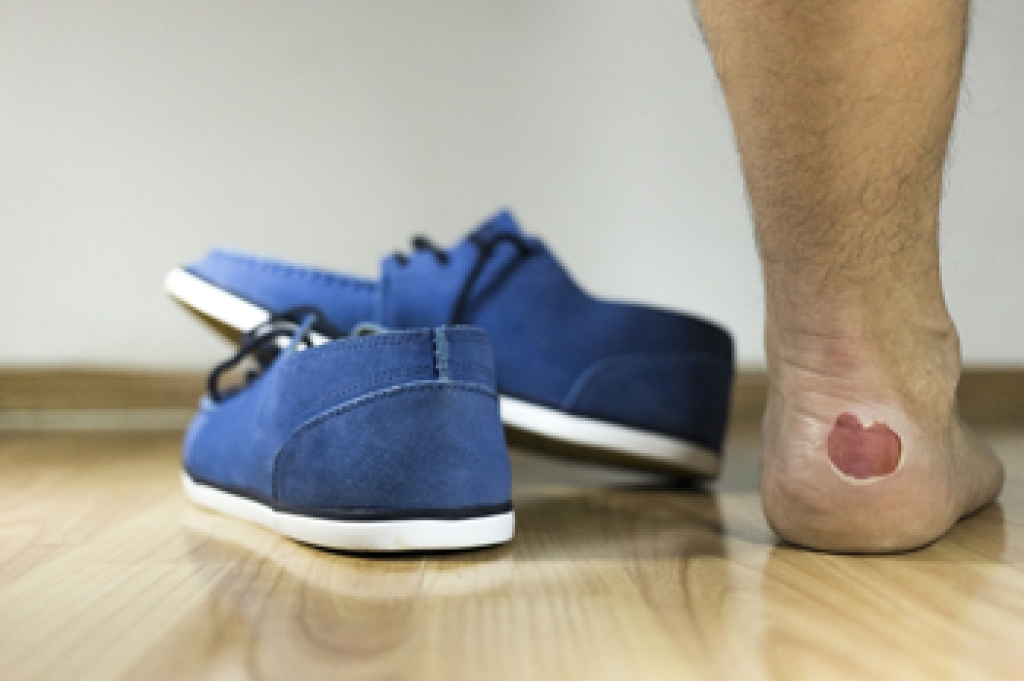
Blisters, those tiny pockets of annoyance that can develop on the feet, are often the result of friction, heat, and moisture conspiring against our skin. Blisters form as a protective response, shielding the delicate layers of skin beneath from further damage. Ill-fitting footwear, especially new shoes that have not been properly broken in, are common culprits. Extended periods of walking, running, or any repetitive motion can exacerbate the friction, triggering blisters. Additionally, sweaty feet trapped in damp environments provide the ideal environment. The symptoms are tender, swollen patches of skin filled with clear fluid, which may eventually rupture, leaving raw skin exposed. While prevention through comfortable footwear and moisture-wicking socks is key, understanding the causes and symptoms equips you to treat blisters promptly and prevent their unwelcome intrusion. If you frequently develop blisters on your feet, it is suggested that you contact a podiatrist who can provide you with additional prevention techniques.

Blisters are prone to making everyday activities extremely uncomfortable. If your feet are hurting, contact Patricia Mcilrath, DPM of Health One Podiatry. Our doctor can provide the care you need to keep you pain-free and on your feet.

Foot Blisters

Foot blisters develop as a result of constantly wearing tight or ill-fitting footwear. This happens due to the constant rubbing from the shoe, which can often lead to pain.

What Are Foot Blisters?

A foot blister is a small fluid-filled pocket that forms on the upper-most layer of the skin. Blisters are filled with clear fluid and can lead to blood drainage or pus if the area becomes infected.

How Do Blisters Form?

Blisters on the feet are often the result of constant friction of skin and material, usually by shoe rubbing. Walking in sandals, boots, or shoes that don’t fit properly for long periods of time can result in a blister. Having consistent foot moisture and humidity can easily lead to blister formation.

Prevention & Treatment

It is important to properly care for the affected area in order to prevent infection and ease the pain. Do not lance the blister and use a Band-Aid to provide pain relief. Also, be sure to keep your feet dry and wear proper fitting shoes. If you see blood or pus in a blister, seek assistance from a podiatrist.

If you have any questions, please feel free to contact our offices located in Reading and Rittenhouse Square, PA . We offer the newest diagnostic and treatment technologies for all your foot care needs.

Read more about Blisters on the Feet

Connect With Us

scroll to top