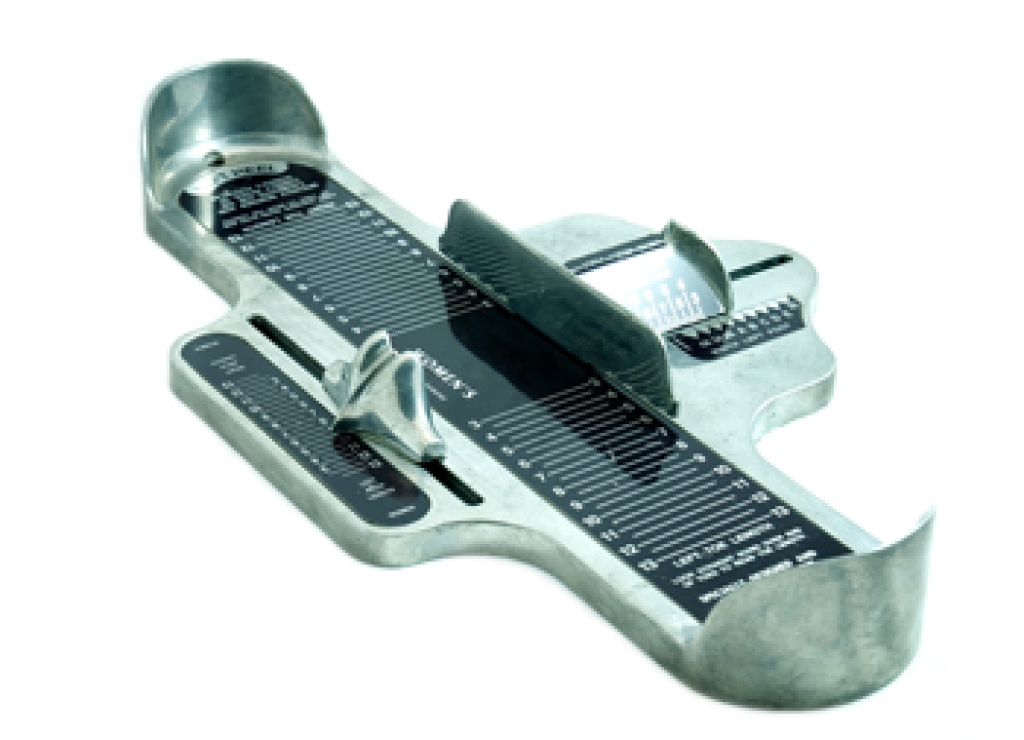
Using a Brannock Device for Accurate Foot Measurement

In the world of footwear, the Brannock device stands as a quiet yet essential hero, ensuring a snug and comfortable fit for every pair of shoes. This simple yet ingeniously designed tool is considered the standard for measuring foot size. Comprising a metal base and sliding arms with calibrated scales, it accurately gauges the foot's length and width. To obtain a measurement, the foot is placed on the device, and adjusting the sliding arms ensures a precise fit. Proper measurement is pivotal in finding the right shoe size, which is instrumental in preventing discomfort and potential foot issues. The Brannock device takes guesswork out of the equation, guiding both shoppers and shoe professionals to select footwear that caters to the unique contours of the feet. If you would like more information about the success of the Brannock device, it is suggested that you confer with a podiatrist. 

Finding a properly-fitting shoe is important in reducing injuries and preventing foot problems. For more information about treatment, contact Patricia Mcilrath, DPM from Health One Podiatry. Our doctor will treat your foot and ankle needs.

Proper Shoe Fitting

A common concern when it comes to foot health, having properly fitted shoes can help prevent injuries to the foot. Out feet affect our posture and gait, which in turn affects the biomechanics and overall bodily structure. With 33 joints, 26 bones, and over 100 ligaments, the potential for serious injury is much greater than one realizes. Although the feet cease growth in adulthood, they still change shape as they mature. Here are some factors to consider when it comes to investing in proper fitting shoes:

  • Be sure the shoes fit correctly right away
  • Ensure the ball of your foot fits comfortably in the widest portion of the shoes
  • Even though they may look fashionable, improper fitting shoes can either create adverse conditions or exacerbate existing ones you may already have
  • Walk along a carpeted surface to ensure the shoes comfortably fit during normal activity

Keeping in mind how shoes fit the biomechanics of your body, properly-fitting shoes are vitally important. Fortunately, it is not difficult to acquire footwear that fits correctly. Be sure to wear shoes that support the overall structure of your body. Do your feet a favor and invest in several pairs of well-fitted shoes today.

If you have any questions, please feel free to contact our offices located in Reading and Rittenhouse Square, PA . We offer the newest diagnostic and treatment technologies for all your foot care needs.
Read more about Proper Shoe Fitting

Exploring Types of Running Shoes and Selection Tips

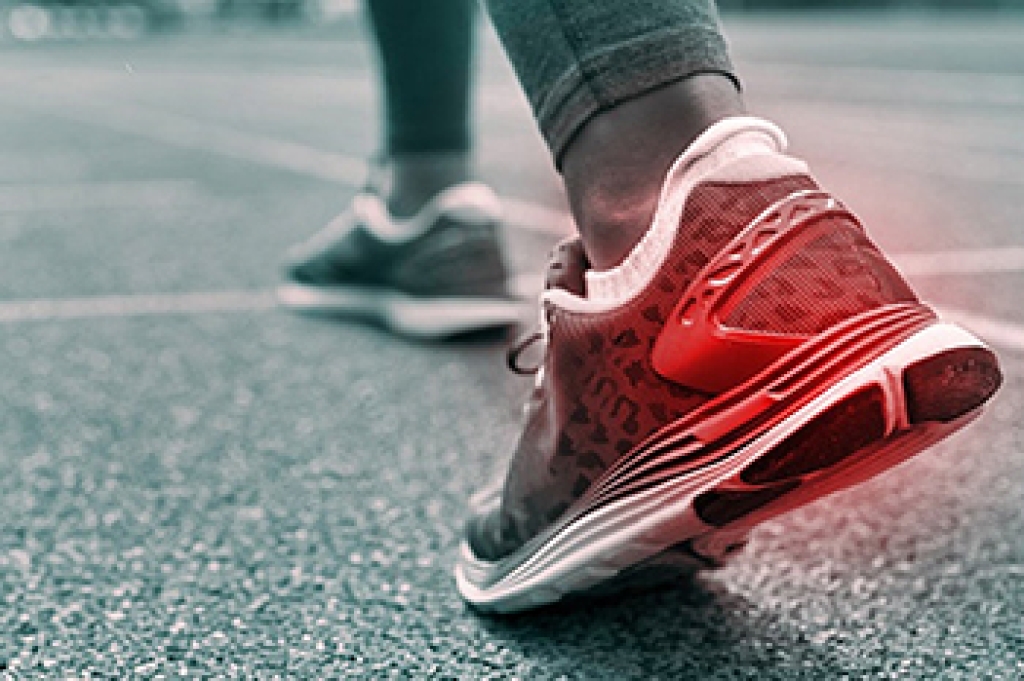
Selecting the right running shoes is a crucial step in ensuring a comfortable and injury free running experience. Various types of running shoes cater to different needs and preferences. Neutral running shoes are suitable for those people who have a natural gait, providing balanced cushioning. Stability shoes offer added support to prevent overpronation. Motion control shoes are designed for severe overpronators, offering maximum stability. Trail running shoes are equipped with rugged soles for off-road terrains. When choosing running shoes, it is beneficial to consider factors such as foot arch, pronation type, and intended terrain. Remember to prioritize comfort, proper fit, and the specific demands of your running style. Investing time in finding the right shoes ensures your running journey remains both enjoyable and injury free. If you would like to have more information about how to choose the right running shoes, it is suggested that you consult with a podiatrist who can provide you with useful tips. 

If you are a runner, wearing the right running shoe is essential. For more information, contact Patricia Mcilrath, DPM from Health One Podiatry. Our doctor can provide the care you need to keep you pain-free and on your feet.

Choosing the Right Running Shoe for Your Foot Type

To increase performance and avoid the risk of injury, it is important to choose the right running shoe based on your foot type. The general design of running shoes revolves around pronation, which is how the ankle rolls from outside to inside when the foot strikes the ground.

  • Neutral runners are able to choose from a wide variety of shoes, including minimalist shoes or even going barefoot.
  • Runners who overpronate, or experience an over-abundance of ankle rolling, should choose shoes that provide extra motion control and stability.
  • Runners who underpronate, or supinate, have feet that have high arches and lack flexibility, preventing shock absorption. They require shoes with more flexibility and cushion.

If you have any questions, please feel free to contact our offices located in Reading and Rittenhouse Square, PA . We offer the newest diagnostic and treatment technologies for all your foot care needs.
Read more about Choosing the Right Running Shoe for Your Foot Type

Get Professional Care for a Broken Foot or Ankle

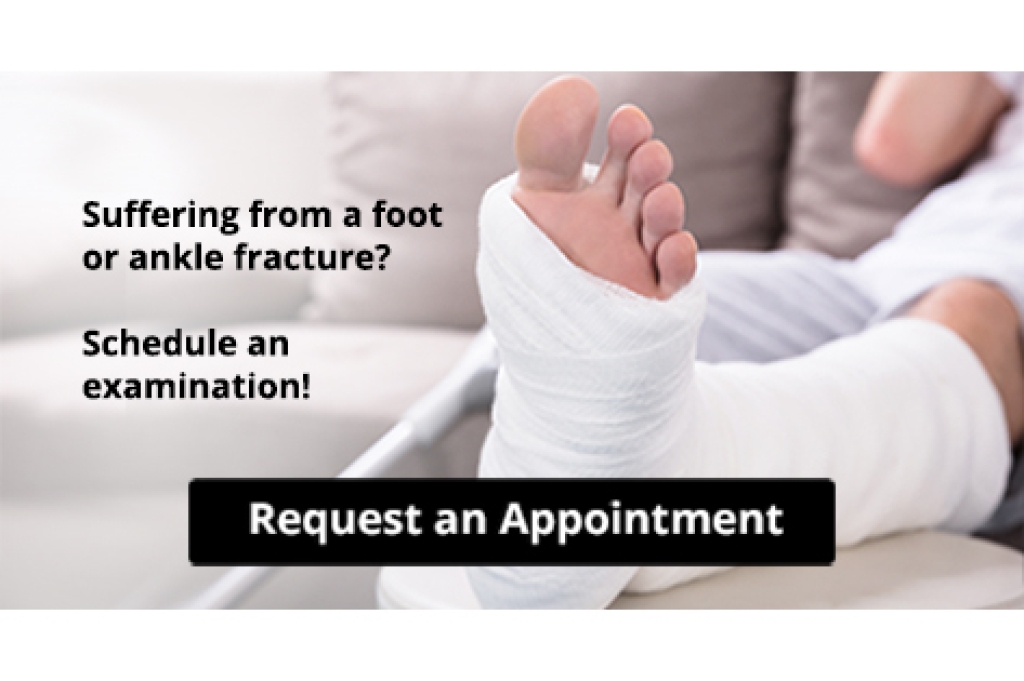
Constant care and regular evaluation are important for a foot or ankle fracture. If left untreated, foot or ankle fractures can worsen over time and create more serious problems.

Don't wait to be examined if you believe you've experienced a foot or ankle fracture.

Causes and Prevention of Morton’s Neuroma

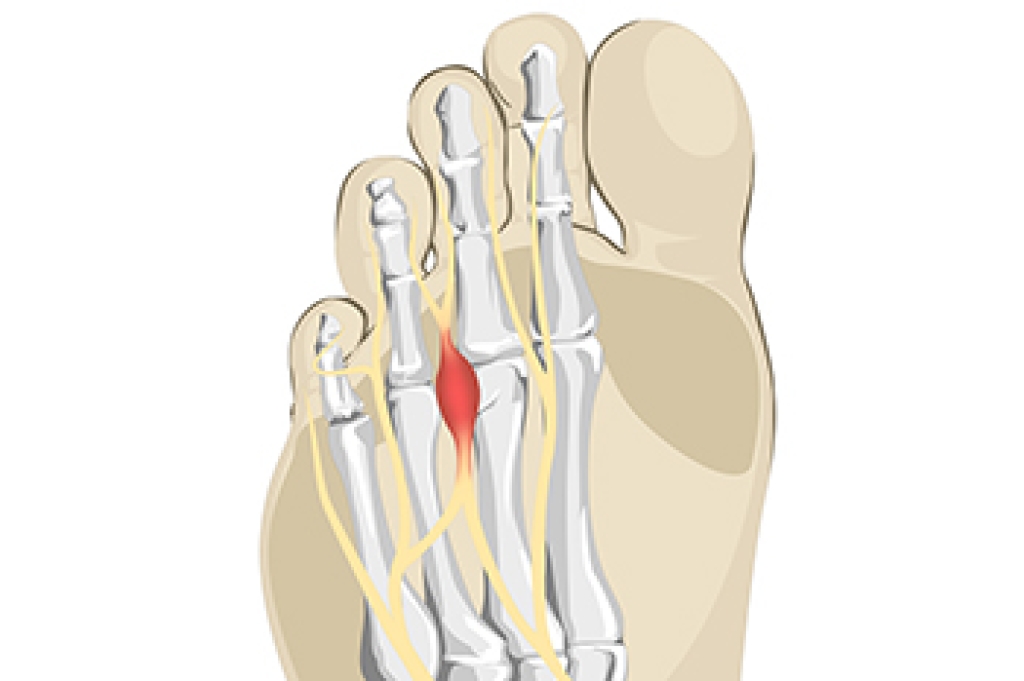
Morton's neuroma is a painful condition that affects the ball of the foot, often occurring between the third and fourth toes. It is caused by the thickening of the tissue surrounding the nerves that run between these toes, leading to irritation and inflammation. Several factors contribute to its development, including wearing tight or narrow shoes or high heels, Additionally, engaging in high impact activities that places excessive pressure on the forefoot can lead to developing Morton’s neuroma. Prevention involves wearing well fitting shoes with adequate toe room, opting for low heeled footwear, and avoiding activities that exacerbate foot discomfort. When it comes to treatment, non-invasive measures such as wearing cushioned pads or orthotic inserts, and taking anti-inflammatory medications may provide relief. In severe cases, corticosteroid injections or surgical removal of the affected tissue may be recommended to alleviate the pain and restore foot comfort. If you have pain between these toes, it is suggested that you confer with a podiatrist who can effectively diagnose and treat Morton’s neuroma

Morton’s neuroma is a very uncomfortable condition to live with. If you think you have Morton’s neuroma, contact Patricia Mcilrath, DPM of Health One Podiatry. Our doctor will attend to all of your foot care needs and answer any of your related questions.  

Morton’s Neuroma

Morton's neuroma is a painful foot condition that commonly affects the areas between the second and third or third and fourth toe, although other areas of the foot are also susceptible. Morton’s neuroma is caused by an inflamed nerve in the foot that is being squeezed and aggravated by surrounding bones.

What Increases the Chances of Having Morton’s Neuroma?

  • Ill-fitting high heels or shoes that add pressure to the toe or foot
  • Jogging, running or any sport that involves constant impact to the foot
  • Flat feet, bunions, and any other foot deformities

Morton’s neuroma is a very treatable condition. Orthotics and shoe inserts can often be used to alleviate the pain on the forefront of the feet. In more severe cases, corticosteroids can also be prescribed. In order to figure out the best treatment for your neuroma, it’s recommended to seek the care of a podiatrist who can diagnose your condition and provide different treatment options.

If you have any questions, please feel free to contact our offices located in Reading and Rittenhouse Square, PA . We offer the newest diagnostic and treatment technologies for all your foot care needs.
Read more about Morton's Neuroma

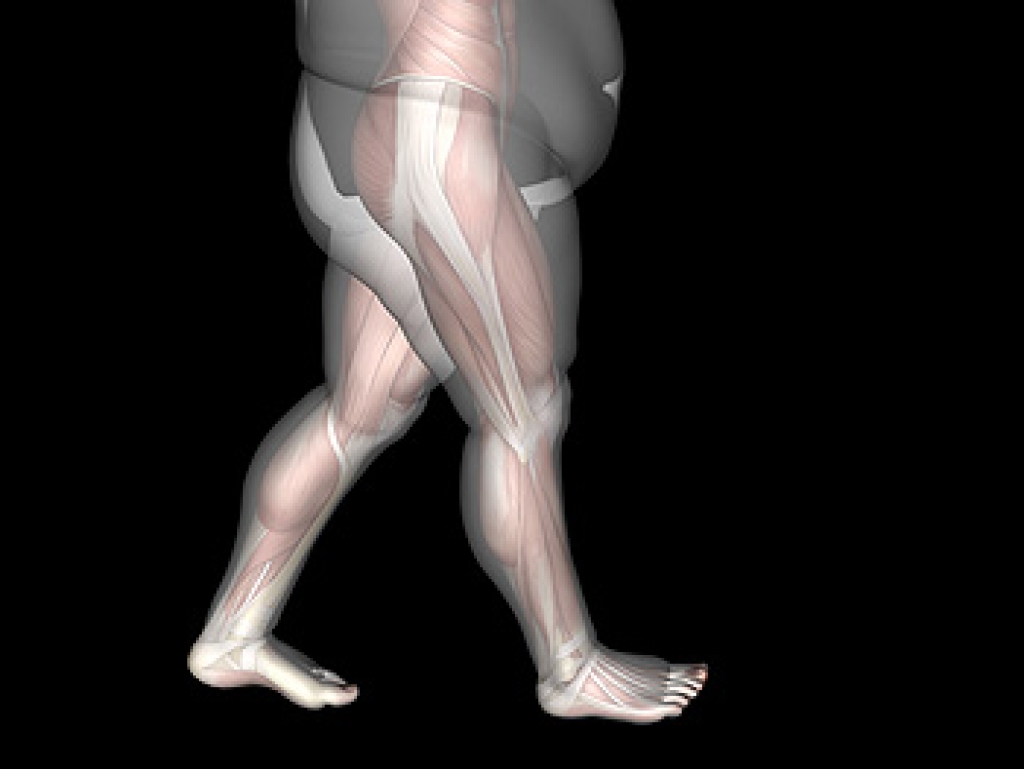
Reasons That Obesity Affects the Feet

Obesity not only takes a toll on overall health, but also significantly affects the feet. The extra pounds exert excessive pressure on the feet, leading to various problems. Many people who are obese have foot pain, as a result of increased weight on the arches and tendons. Flat feet are a common issue with obesity, and the additional weight may alter the foot structure. Heel pain can signify the painful condition known as plantar fasciitis, which can happen from the added weight the heels must endure. Regular exercise, a balanced diet, and weight management are crucial in mitigating these effects. Properly fitting footwear and orthotics can also offer relief. Prioritizing foot health alongside overall well-being is essential for those struggling with obesity. It is suggested that a podiatrist is consulted who can guide you toward managing foot conditions that may result from obesity.

Obesity has become very problematic at this point in time and can have extremely negative effects on the feet. If you’re an obese individual and are concerned about your feet, contact Patricia Mcilrath, DPM from Health One Podiatry. Our doctor can provide the care you need to keep you pain-free and on your feet.

Obesity and Your Feet

Since your feet are what support your entire weight when standing, any additional weight can result in pain and swelling. Being overweight is one of the main contributors to foot complications.

Problems & Complications

Extra Weight – Even putting on just a few extra pounds could create serious complications for your feet. As your weight increases, your balance and body will shift, creating new stresses on your feet. This uneven weight distribution can cause pain, even while doing the simplest tasks, such as walking.

Diabetes – People who are overweight are at serious risk of developing type-2 diabetes, which has a drastic impact on the health of your feet. As you get older, your diabetes might worsen, which could lead to loss of feeling in your feet, sores, and bruises. You could also become more prone to various infections.

Plantar fasciitis – Pressure and stress that is placed on muscles, joints, and tendons can trigger plantar fasciitis, which is an inflammation of tissue that forms along the bottom of the foot. 

If you have any questions, please feel free to contact our offices located in Reading and Rittenhouse Square, PA . We offer the newest diagnostic and treatment technologies for all your foot care needs.

Read more about How Obesity Affects Your Feet

Connect With Us

scroll to top