
What Is an Ankle Avulsion Fracture?

An avulsion fracture of the ankle occurs when an injured ligament or tendon brings with it a portion of the bone. This takes place at the site where the ligament or tendon attaches to the bone. Because symptoms of an ankle avulsion fracture are similar to those of a sprain, an X-ray or other imaging test may be needed to determine the cause of the problem. Symptoms include pain, immediate swelling, bruising, and difficulty in moving the ankle. The healing time for an ankle avulsion fracture is between six and eight weeks, but depending on the severity it may take even longer. In severe cases, surgery may be required to repair the joint with screws and metal plates. A cast will be required to stabilize and immobilize the ankle joint as the bone heals. When that is removed, a series of stretching, strengthening, and range of motion exercises will be needed. As with all ankle injuries, it is important that the joint heals completely to avoid further problems. For treatment of an ankle avulsion fracture or more information about this injury, it is suggested that you make an appointment with a podiatrist.

Broken ankles need immediate treatment. If you are seeking treatment, contact Patricia Mcilrath, DPM from Health One Podiatry. Our doctor can provide the care you need to keep you pain-free and on your feet. 

Broken Ankles
A broken ankle is experienced when a person fractures their tibia or fibula in the lower leg and ankle area. Both of these bones are attached at the bottom of the leg and combine to form what we know to be our ankle.

When a physician is referring to a break of the ankle, he or she is usually referring to a break in the area where the tibia and fibula are joined to create our ankle joint. Ankles are more prone to fractures because the ankle is an area that suffers a lot of pressure and stress. There are some obvious signs when a person experiences a fractured ankle, and the following symptoms may be present.

Symptoms of a Fractured Ankle

  • Excessive pain when the area is touched or when any pressure is placed on the ankle
  • Swelling around the area
  • Bruising of the area
  • Area appears to be deformed

If you suspect an ankle fracture, it is recommended to seek treatment as soon as possible. The sooner you have your podiatrist diagnose the fracture, the quicker you’ll be on the way towards recovery.

If you have any questions, please feel free to contact our offices located in Reading and Rittenhouse Square, PA . We offer the newest diagnostic and treatment technologies for all your foot care needs.
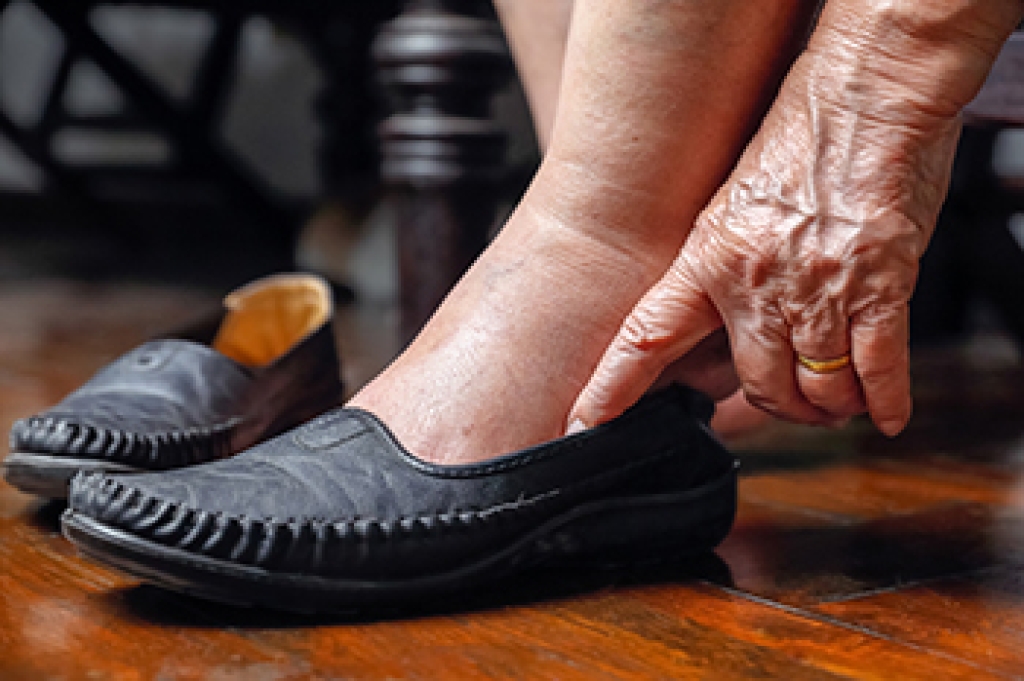
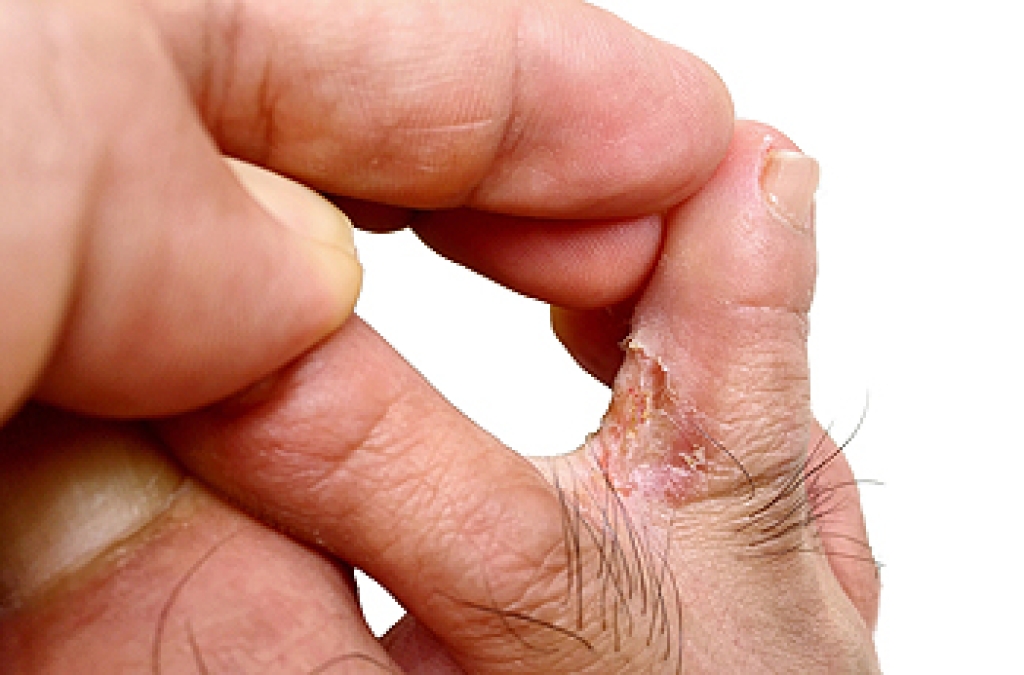
Read more about Broken Ankle Causes, Differences, Symptoms and Treatments

Simple Steps for Diabetic Foot Care

The feet are often affected in diabetic patients. People who have this condition may be unable to feel existing cuts or scrapes on their feet, as a result of possible nerve damage. It is important that people who have diabetes maintain a good foot care routine, and this can begin with washing and drying the feet. It is beneficial to use a mirror to check the soles of the feet for any cuts, and a caregiver or family member may help to accomplish this. Diabetes occurs as a result of elevated glucose levels in the blood, and it is helpful to monitor foods that are eaten that can affect these sugar levels. When the toenails are properly trimmed weekly, the chances of getting an ingrown toenail may be reduced. It is urged to refrain from walking barefoot, which can help to protect the skin on the feet. If you have diabetes, it is strongly suggested that you are under the care of a podiatrist who can provide you with helpful management tips.

Diabetic foot care is important in preventing foot ailments such as ulcers. If you are suffering from diabetes or have any other concerns about your feet, contact Patricia Mcilrath, DPM from Health One Podiatry. Our doctor can provide the care you need to keep you pain-free and on your feet.

Diabetic Foot Care

Diabetes affects millions of people every year. The condition can damage blood vessels in many parts of the body, especially the feet. Because of this, taking care of your feet is essential if you have diabetes, and having a podiatrist help monitor your foot health is highly recommended.

The Importance of Caring for Your Feet

  • Routinely inspect your feet for bruises or sores.
  • Wear socks that fit your feet comfortably.
  • Wear comfortable shoes that provide adequate support.

Patients with diabetes should have their doctor monitor their blood levels, as blood sugar levels play such a huge role in diabetic care. Monitoring these levels on a regular basis is highly advised.

It is always best to inform your healthcare professional of any concerns you may have regarding your feet, especially for diabetic patients. Early treatment and routine foot examinations are keys to maintaining proper health, especially because severe complications can arise if proper treatment is not applied.

If you have any questions, please feel free to contact our offices located in Reading and Rittenhouse Square, PA . We offer the newest diagnostic and treatment technologies for all your foot care needs.

Read more about Diabetic Foot Conditions

Who Gets Athlete’s Foot?

Athlete's foot is a particular foot condition that is essentially a fungal infection. Caused by a fungus, athlete's foot is characterized by scaly skin texture and redness. Many patients often wonder who can develop athlete's foot. The answer is that athlete’s foot can develop in someone regardless of their age, sex, or race. Importantly, there are certain things that can make an individual more susceptible to developing athlete’s foot. For example, if you are someone that spends a significant amount of time not wearing shoes in warm, moist, public areas, then you might be at a higher risk of developing athlete’s foot. To learn more about this condition and receive any treatment that might be necessary, it is suggested that you contact a podiatrist today.

Athlete’s foot is an inconvenient condition that can be easily reduced with the proper treatment. If you have any concerns about your feet and ankles, contact Patricia Mcilrath, DPM from Health One Podiatry.  Our doctor will treat your foot and ankle needs.

Athlete’s Foot: The Sole Story

Athlete's foot, also known as tinea pedis, can be an extremely contagious foot infection. It is commonly contracted in public changing areas and bathrooms, dormitory style living quarters, around locker rooms and public swimming pools, or anywhere your feet often come into contact with other people.

Solutions to Combat Athlete’s Foot

  • Hydrate your feet by using lotion
  • Exfoliate
  • Buff off nails
  • Use of anti-fungal products
  • Examine your feet and visit your doctor if any suspicious blisters or cuts develop

Athlete’s foot can cause many irritating symptoms such as dry and flaking skin, itching, and redness. Some more severe symptoms can include bleeding and cracked skin, intense itching and burning, and even pain when walking. In the worst cases, Athlete’s foot can cause blistering as well. Speak to your podiatrist for a better understanding of the different causes of Athlete’s foot, as well as help in determining which treatment options are best for you.

If you have any questions please feel free to contact our offices located in Reading and Rittenhouse Square, PA . We offer the newest diagnostic and treatment technologies for all your foot and ankle needs.

Read more about Athlete's Foot

Drinking Water and Foot Health During Pregnancy

An individual requires a significant amount of water every day. Many people drink far less water than is recommended on a daily basis. This might become problematic during a pregnancy. Pregnant women can reap many health benefits by drinking water daily and staying hydrated. Some of these benefits are linked to foot health. For example, when pregnant women drink a lot of water during pregnancy, this can reduce the amount of salt in the body, which leads to a reduction in puffiness or swelling. Drinking coffee can complicate matters by exacerbating dehydration. If you are pregnant or planning to be, it is suggested that you schedule an appointment with a podiatrist so that you can plan to best protect the health of your feet. 

Pregnant women with swollen feet can be treated with a variety of different methods that are readily available. For more information about other cures for swollen feet during pregnancy, consult with Patricia Mcilrath, DPM from Health One Podiatry. Our doctor will attend to all of your foot and ankle needs.

What Foot Problems Can Arise During Pregnancy?

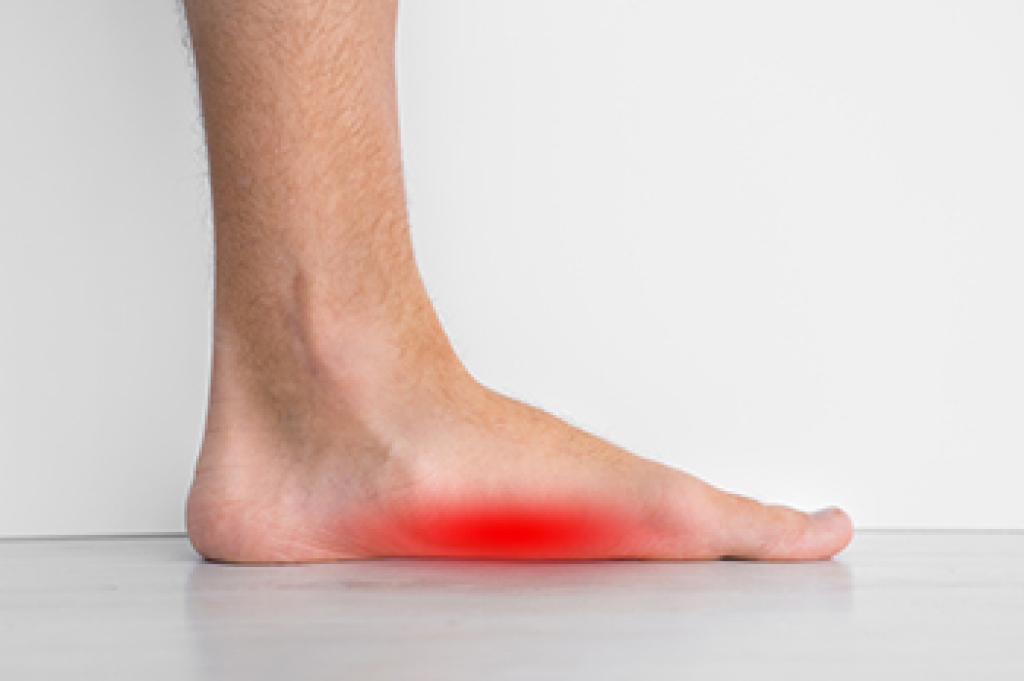
One problem that can occur is overpronation, which occurs when the arch of the foot flattens and tends to roll inward.  This can cause pain and discomfort in your heels while you’re walking or even just standing up, trying to support your baby.  

Another problem is edema, or swelling in the extremities. This often affects the feet during pregnancy but tends to occur in the later stages. 

How Can I Keep My Feet Healthy During Pregnancy?

  • Wearing orthotics can provide extra support for the feet and help distribute weight evenly
  • Minimize the amount of time spent walking barefoot
  • Wear shoes with good arch support
  • Wear shoes that allow for good circulation to the feet
  • Elevate feet if you experience swelling
  • Massage your feet
  • Get regular, light exercise, such as walking, to promote blood circulation to the feet

If you have any questions, please feel free to contact our offices located in Reading and Rittenhouse Square, PA . We offer the newest diagnostic and treatment technologies for all your foot care needs.
Read more about Pregnancy and Foot Health

Flat-Footed Runners

Many people associate the foot condition that is known as flat feet with difficulty in running. Conversely, there are numerous professional sprinters and athletes who are flat-footed, and  this may provide a special ability that can help to absorb shock. When flat feet are strengthened, it may help an individual to run faster, in addition to possibly having more control on the surface. Research has shown there is a difference between running shoes that are designed for flat feet and shoes that have a high arch. Shoes that are made with an extra cushioned midsole area may be more beneficial for flat-footed runners to wear. There are specific stretches that can be performed which may help to strengthen the arch. If you have flat feet and are interested in running, it is suggested that you confer with a podiatrist who can teach you correct stretching techniques which may help you to improve your running practice.

Flatfoot is a condition many people suffer from. If you have flat feet, contact Patricia Mcilrath, DPM from Health One Podiatry. Our doctor will treat your foot and ankle needs.

What Are Flat Feet?

Flatfoot is a condition in which the arch of the foot is depressed and the sole of the foot is almost completely in contact with the ground. About 20-30% of the population generally has flat feet because their arches never formed during growth.

Conditions & Problems:

Having flat feet makes it difficult to run or walk because of the stress placed on the ankles.

Alignment – The general alignment of your legs can be disrupted, because the ankles move inward which can cause major discomfort.

Knees – If you have complications with your knees, flat feet can be a contributor to arthritis in that area.  

Symptoms

  • Pain around the heel or arch area
  • Trouble standing on the tip toe
  • Swelling around the inside of the ankle
  • Flat look to one or both feet
  • Having your shoes feel uneven when worn

Treatment

If you are experiencing pain and stress on the foot you may weaken the posterior tibial tendon, which runs around the inside of the ankle. 

If you have any questions, please feel free to contact our offices located in Reading and Rittenhouse Square, PA . We offer the newest diagnostic and treatment technologies for all your foot care needs.

Read more about Flat Feet

Connect With Us

scroll to top