
The Rate of Toddler Foot Growth

When babies are born, their foot bones are not fully developed and act more like cartilage. The significant milestone of standing occurs when their feet, legs, hips, and core can support their weight, typically between nine to 18 months of age. Once they start walking, running and jumping will quickly follow. Although foot structure is usually developed by age two, complete development continues until the teen years. Given the crucial role of feet in standing and movement, parents need to care for their children's feet from an early age to avoid potential motor skill and ability issues in the future. Parents often wonder when it is appropriate to introduce shoes to their babies. Initially, shoes are unnecessary as they can hinder foot growth and movement. However, once walking is mastered, shoes become relevant. Keep in mind that rapid growth necessitates frequent changes in shoe size. As children get older, the speed of foot growth slows down. It is crucial to invest in well-fitting, durable shoes that support movement, balance, and coordination. Regularly checking shoe fit and promptly replacing them when outgrown is recommended by experts. On average, a child's shoes need to be changed every three to four months. If you have additional questions about your toddler’s feet, it is suggested that you consult a podiatrist who can provide valuable information.

The health of a child’s feet is vital to their overall well-being. If you have any questions regarding foot health, contact Patricia Mcilrath, DPM of Health One Podiatry. Our doctor can provide the care you need to keep you pain-free and on your feet.

Tips for Keeping Children's Feet Healthy

  • Make sure their shoes fit properly
  • Look for any signs of in-toeing or out-toeing
  • Check to see if they have Clubfoot (condition that affects your child’s foot and ankle, twisting the heel and toes inward) which is one of the most common nonmajor birth defects.
  • Lightly cover your baby’s feet (Tight covers may keep your baby from moving their feet freely, and could prevent normal development)
  • Allow your toddler to go shoeless (Shoes can be restricting for a young child’s foot)
  • Cut toenails straight across to avoid ingrown toenails
  • Keep your child’s foot clean and dry
  • Cover cuts and scrapes. Wash any scratches with soap and water and cover them with a bandage until they’ve healed.

If you have any questions, please feel free to contact our offices located in Reading and Rittenhouse Square, PA . We offer the newest diagnostic and treatment technologies for all your foot care needs.
Read more about What to Do to Keep Your Child’s Feet Healthy

Three Stages of an Ingrown Toenail

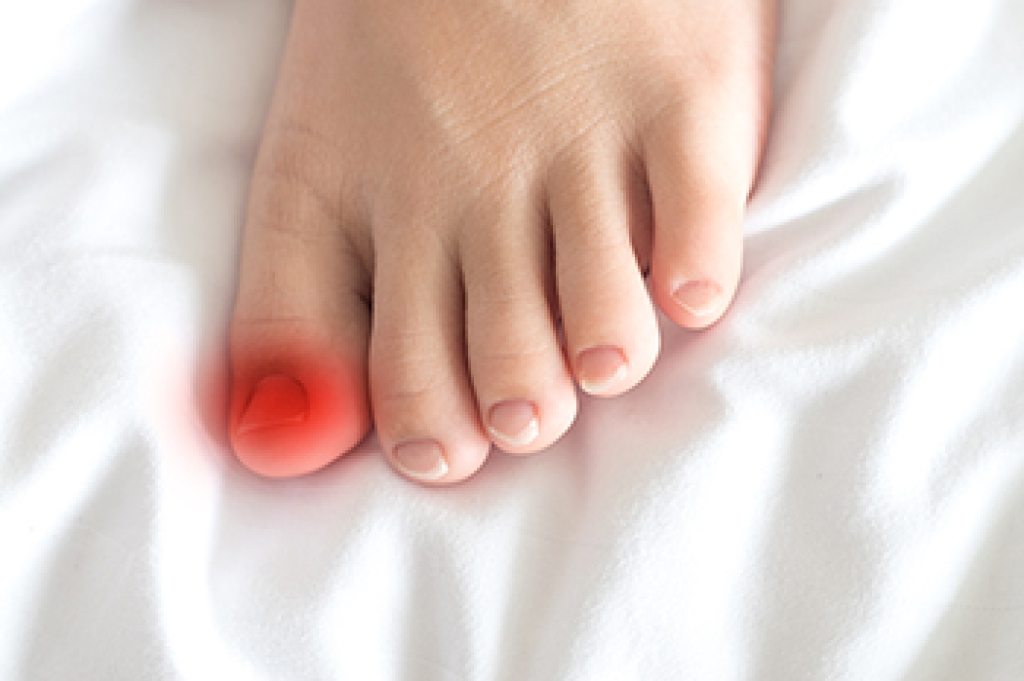
An ingrown toenail can be a potentially dangerous foot condition if medical attention is not promptly received. An ingrown toenail occurs when the nail grows into the skin instead of over it. It is a generally painful ailment, and severely ingrown toenails may bleed and become infected. This condition can be divided into three stages of development. The first stage causes mild inflammation, and it is often uncomfortable. A granuloma may form in the second stage, which can become more painful, and produce pus. This granuloma can grow over the nail in the third stage, and the entire toe may become inflamed. The most common cause of developing an ingrown toenail is improper foot care. This can range from wearing shoes that do not fit correctly to trimming the toenails in a curved fashion instead of straight across. If you have an ingrown toenail, it is suggested that you seek counsel from a podiatrist as quickly as possible who can perform minor surgery for permanent relief.

Ingrown toenails can become painful if they are not treated properly. For more information about ingrown toenails, contact Patricia Mcilrath, DPM of Health One Podiatry. Our doctor can provide the care you need to keep you pain-free and on your feet.

Ingrown Toenails

Ingrown toenails occur when a toenail grows sideways into the bed of the nail, causing pain, swelling, and possibly infection.

Causes

  • Bacterial infections
  • Improper nail cutting such as cutting it too short or not straight across
  • Trauma to the toe, such as stubbing, which causes the nail to grow back irregularly
  • Ill-fitting shoes that bunch the toes too close together
  • Genetic predisposition

Prevention

Because ingrown toenails are not something found outside of shoe-wearing cultures, going barefoot as often as possible will decrease the likeliness of developing ingrown toenails. Wearing proper fitting shoes and using proper cutting techniques will also help decrease your risk of developing ingrown toenails.

Treatment

Ingrown toenails are a very treatable foot condition. In minor cases, soaking the affected area in salt or antibacterial soaps will not only help with the ingrown nail itself, but also help prevent any infections from occurring. In more severe cases, surgery is an option. In either case, speaking to your podiatrist about this condition will help you get a better understanding of specific treatment options that are right for you.

If you have any questions, please feel free to contact our offices located in Reading and Rittenhouse Square, PA . We offer the newest diagnostic and treatment technologies for all your foot care needs.
Read more about Ingrown Toenail Care

Dealing With Achilles Tendon Pain

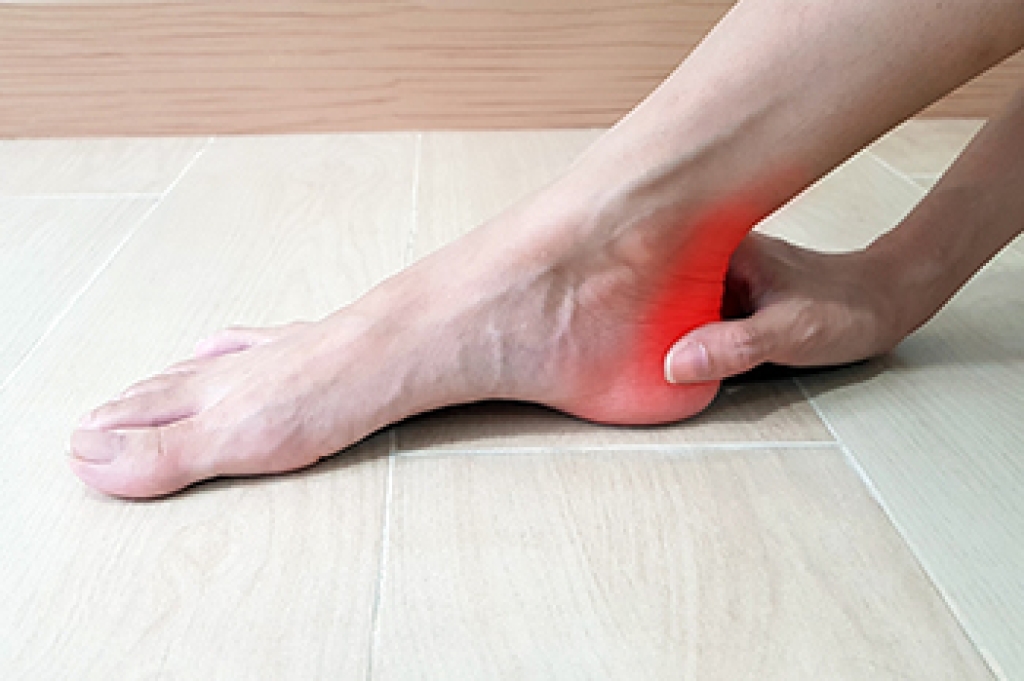
Experiencing pain in the back of the leg just above the heel may indicate an injury to the Achilles tendon. The pain may worsen with exercise and subside after resting. There may also be stiffness, swelling, and soreness in this area. A sudden pain in the back of the heel that feels like a kick in the ankle can be a sign of a torn or ruptured Achilles tendon. If this occurs, it is important to seek immediate medical help. A podiatrist will view imaging tests which can diagnose the exact cause of the injury, and determine its severity. A rupture is a full or partial tear in this tendon, which connects the heel to the calf muscles and allows you to walk. Ruptures to the Achilles tendon are more common among men between the ages of 30 and 50. They are also common among women who are 60 years or older. With an Achilles tendon rupture, it may be difficult to walk normally or to stand on tiptoe. This type of injury may be the result of falling, stepping into a hole, sprinting, or sustaining a cut in the back of the heel. Both surgical and non-surgical treatments are common for Achilles tendon injuries. For help in managing an Achilles tendon injury, it is suggested that you make an appointment with a podiatrist.  

Achilles tendon injuries need immediate attention to avoid future complications. If you have any concerns, contact Patricia Mcilrath, DPM of Health One Podiatry. Our doctor can provide the care you need to keep you pain-free and on your feet.

What Is the Achilles Tendon?

The Achilles tendon is a tendon that connects the lower leg muscles and calf to the heel of the foot. It is the strongest tendon in the human body and is essential for making movement possible. Because this tendon is such an integral part of the body, any injuries to it can create immense difficulties and should immediately be presented to a doctor.

What Are the Symptoms of an Achilles Tendon Injury?

There are various types of injuries that can affect the Achilles tendon. The two most common injuries are Achilles tendinitis and ruptures of the tendon.

Achilles Tendinitis Symptoms

  • Inflammation
  • Dull to severe pain
  • Increased blood flow to the tendon
  • Thickening of the tendon

Rupture Symptoms

  • Extreme pain and swelling in the foot
  • Total immobility

Treatment and Prevention

Achilles tendon injuries are diagnosed by a thorough physical evaluation, which can include an MRI. Treatment involves rest, physical therapy, and in some cases, surgery. However, various preventative measures can be taken to avoid these injuries, such as:

  • Thorough stretching of the tendon before and after exercise
  • Strengthening exercises like calf raises, squats, leg curls, leg extensions, leg raises, lunges, and leg presses

If you have any questions please feel free to contact our offices located in Reading and Rittenhouse Square, PA . We offer the newest diagnostic tools and technology to treat your foot and ankle needs.

Read more about The Causes, Types, and Treatments of Achilles Tendon Injuries

Caring for Your Feet When You Have Diabetes

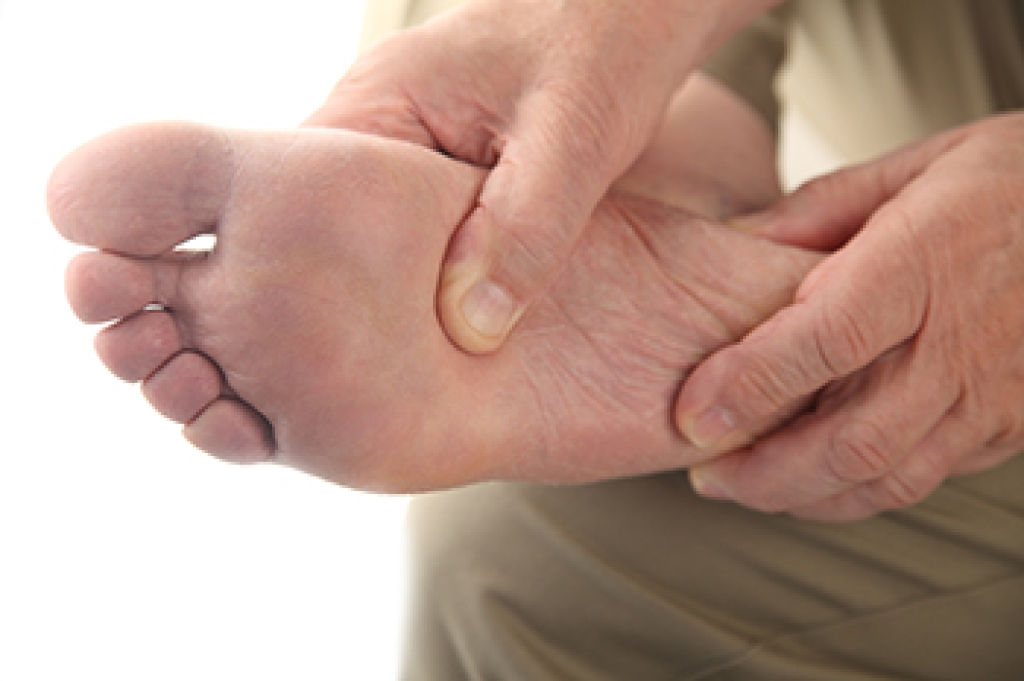
Diabetes is a condition that results in erratic blood sugar levels in the body. It is not an easy disease to navigate. It can have widespread effects on the body, including feeling and blood flow to the feet. Beyond managing blood sugar levels, it is important to examine your feet regularly looking for any cuts, sores, calluses, or changes to your skin or nails. A diabetic can develop neuropathy, making it hard to detect sensations in their extremities, such as pain. If this is difficult to do, a handheld mirror can help, as can asking a family member or care provider for assistance. Participating in regular physical activity and eating healthy can help keep blood sugar within a normal range. Problems brewing on the feet of a diabetic can turn into serious issues with life-threatening consequences. Those with diabetes can develop peripheral artery disease or poor blood flow to the feet, which puts them at risk for foot ulcers, gangrene, and tissue death. If you have diabetes, it is suggested that you visit a podiatrist regularly to have your feet examined as well as obtain prompt treatment for any problems that arise.

Diabetic foot care is important in preventing foot ailments such as ulcers. If you are suffering from diabetes or have any other concerns about your feet, contact Patricia Mcilrath, DPM from Health One Podiatry. Our doctor can provide the care you need to keep you pain-free and on your feet.

Diabetic Foot Care

Diabetes affects millions of people every year. The condition can damage blood vessels in many parts of the body, especially the feet. Because of this, taking care of your feet is essential if you have diabetes, and having a podiatrist help monitor your foot health is highly recommended.

The Importance of Caring for Your Feet

  • Routinely inspect your feet for bruises or sores.
  • Wear socks that fit your feet comfortably.
  • Wear comfortable shoes that provide adequate support.

Patients with diabetes should have their doctor monitor their blood levels, as blood sugar levels play such a huge role in diabetic care. Monitoring these levels on a regular basis is highly advised.

It is always best to inform your healthcare professional of any concerns you may have regarding your feet, especially for diabetic patients. Early treatment and routine foot examinations are keys to maintaining proper health, especially because severe complications can arise if proper treatment is not applied.

If you have any questions, please feel free to contact our offices located in Reading and Rittenhouse Square, PA . We offer the newest diagnostic and treatment technologies for all your foot care needs.
Read more about Diabetic Foot Care

Connect With Us

scroll to top