Ehlers-Danlos Syndrome and Its Impact on Foot Health

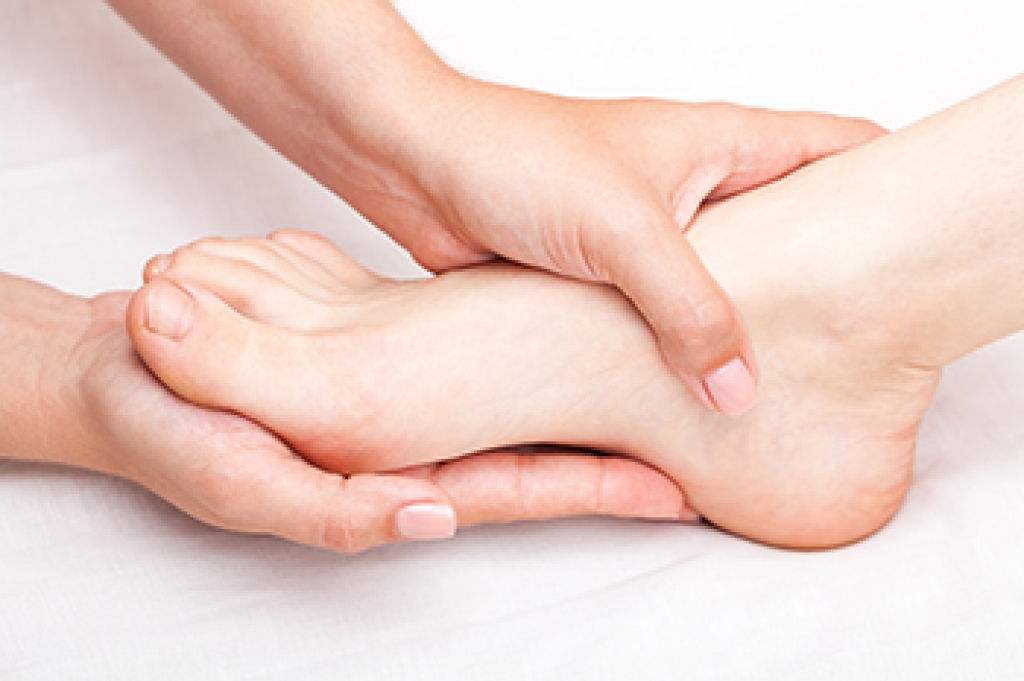
Ehlers-Danlos syndrome is a rare genetic condition that affects the body’s connective tissues, leading to loose joints, fragile skin, and reduced structural support. When it involves the feet, it can cause ankle instability, flat feet, chronic pain, and frequent sprains due to weakened ligaments. Symptoms include joint hypermobility, easy bruising, and persistent discomfort while standing or walking. The condition is caused by inherited changes in collagen production, which affects the strength and elasticity of tissues throughout the body. A podiatrist can help by providing supportive bracing, custom orthotics, strengthening guidance, and treatment plans that improve stability and reduce pain. If you have foot problems related to Ehlers-Danlos syndrome, it is suggested that you are under the care of a podiatrist who can help you to manage this rare foot condition.

Some foot conditions may require additional professional care. If you have any concerns, contact Patricia Mcilrath, DPM of Health One Podiatry. Our doctor can provide the care you need to keep you pain-free and on your feet.

Rare Foot Conditions

The majority of foot conditions are common and can be treated by a podiatrist.  Standard diagnostic procedures are generally used to identify specific conditions and treatment can be rendered. A podiatrist also treats rare foot conditions which can be difficult to diagnose and may need extra attention and care. 

There are many rare foot conditions that can affect children. Some of these can include:

  • Freiberg’s disease
  • Kohler’s disease
  • Maffucci syndrome

Freiberg’s disease - This can be seen as a deterioration and flattening of a metatarsal bone that exists in the ball of the foot. It typically affects pre-teen and teenage girls, but can affect anyone at any age. Symptoms that can accompany this can be swelling, stiffness, and the patient may limp. 

Kohler’s disease - This often targets the bone in the arch of the foot and affects younger boys. It can lead to an interruption of the blood supply which ultimately can lead to bone deterioration. The patient may limp or experience tenderness, swelling, and redness.

Maffucci syndrome - This affects the long bones in a child’s foot leading to the development of abnormal bone lesions. They are benign growths and typically develop in early childhood and the bones may be susceptible to breaking. 

A podiatrist can properly diagnose and treat all types of rare foot conditions. If your child is affected by any of these symptoms or conditions, please don’t hesitate to call our office so the correct treatment method can begin.

If you have any questions, please feel free to contact our offices located in Reading and Rittenhouse Square, PA . We offer the newest diagnostic and treatment technologies for all your foot care needs.
Read more about Rare Foot Conditions

Causes of Warm or Hot Feet

Warm or hot feet can be uncomfortable and may signal an underlying issue. Common causes include long hours of standing or walking, wearing shoes that do not allow airflow, or having a medical condition that affects circulation. Athlete’s foot, which is a fungal infection, can also cause heat, itching, and burning sensations. Nutrient deficiencies, particularly in B vitamins, may contribute to nerve irritation, while peripheral neuropathy related to diabetes or other conditions can cause persistent warmth or burning pain. A podiatrist can perform a thorough evaluation to identify the cause, treat infections, manage nerve conditions, and recommend proper footwear. If your feet have become unusually warm or hot, it is suggested that you schedule an appointment with a podiatrist who can offer effective relief and treatment solutions. 

Foot Pain

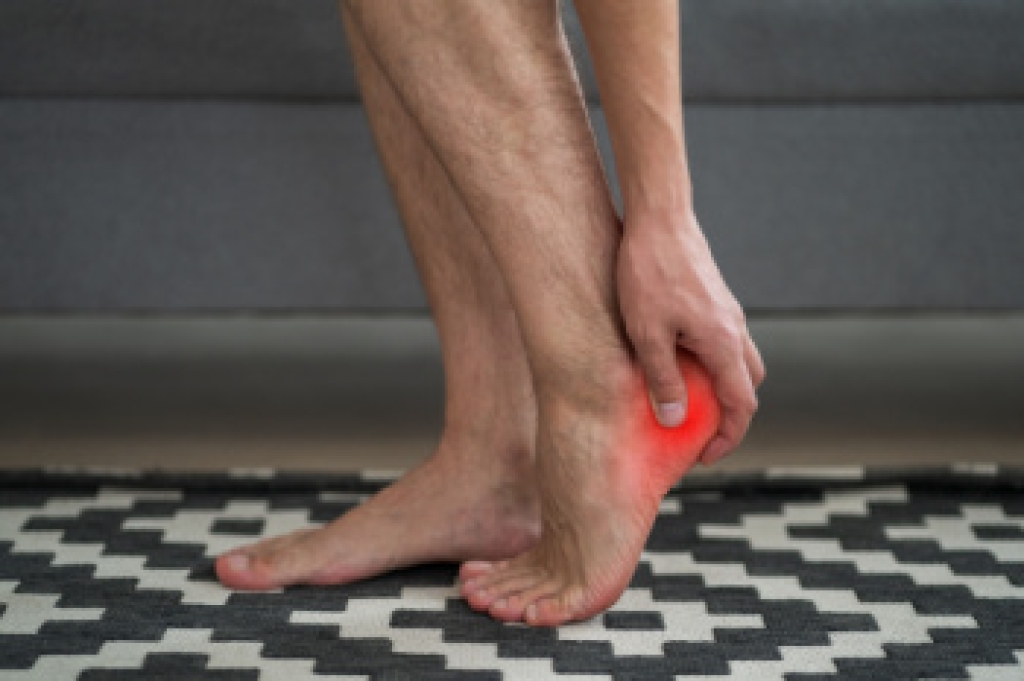
Foot pain can be extremely painful and debilitating. If you have a foot pain, consult with Patricia Mcilrath, DPM from Health One Podiatry. Our doctor will assess your condition and provide you with quality foot and ankle treatment.

Causes

Foot pain is a very broad condition that could be caused by one or more ailments. The most common include:

  • Bunions
  • Hammertoes
  • Plantar Fasciitis
  • Bone Spurs
  • Corns
  • Tarsal Tunnel Syndrome
  • Ingrown Toenails
  • Arthritis (such as Gout, Rheumatoid, and Osteoarthritis)
  • Flat Feet
  • Injury (from stress fractures, broken toe, foot, ankle, Achilles tendon ruptures, and sprains)
  • And more

Diagnosis

To figure out the cause of foot pain, podiatrists utilize several different methods. This can range from simple visual inspections and sensation tests to X-rays and MRI scans. Prior medical history, family medical history, and any recent physical traumatic events will all be taken into consideration for a proper diagnosis.

Treatment

Treatment depends upon the cause of the foot pain. Whether it is resting, staying off the foot, or having surgery; podiatrists have a number of treatment options available for foot pain.

If you have any questions, please feel free to contact our offices located in Reading and Rittenhouse Square, PA . We offer the newest diagnostic and treatment technologies for all your foot care needs.
Read more about Foot Pain

Are You Suffering From Nerve Damage?

Neuropathy is a condition that can lead to numbness or loss of sensation in the feet, but it can also cause pain. This condition is more likely to develop for those who are diabetic, obese, or with high blood pressure.

Morton’s Neuroma and Its Causes

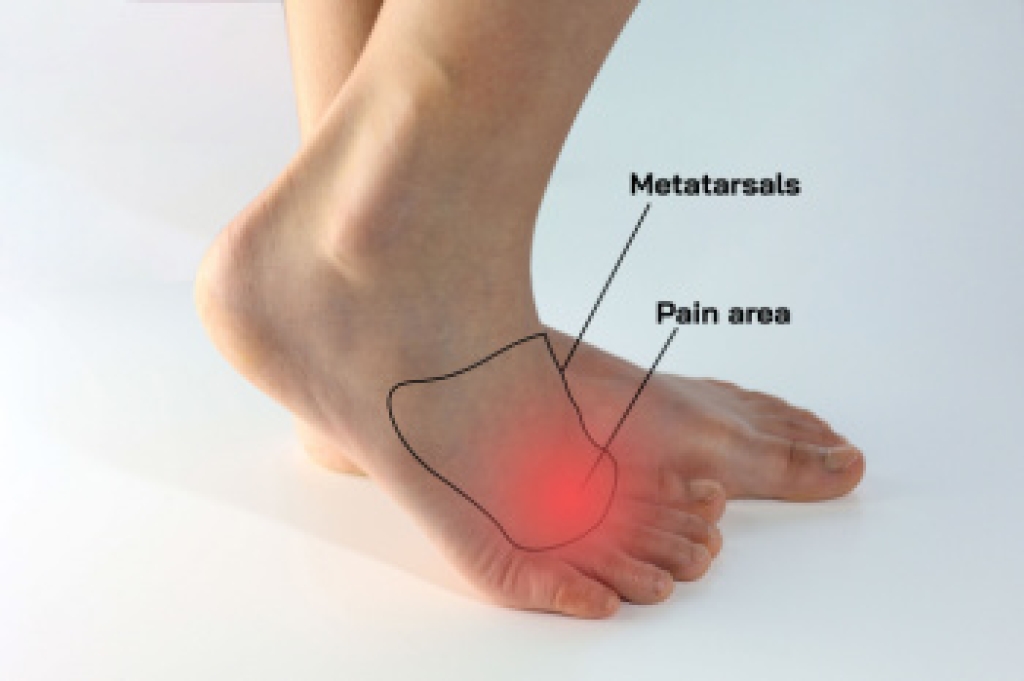
Morton’s neuroma, also called a plantar digital neuroma, is a painful condition caused by the thickening of tissue around a nerve between the toes, most commonly between the third and fourth toes. It often develops from pressure, irritation, or injury to the nerve. Risk factors include wearing tight shoes or high heels, engaging in high-impact sports, and having foot deformities, such as flat feet or high arches. Many people notice symptoms that may include sharp, burning pain in the ball of the foot, tingling, or the feeling of a pebble inside the shoe. A podiatrist can provide an accurate diagnosis, orthotic support, and treatment options to relieve pain and prevent recurrence. If you have pain in this part of your foot, it is suggested that you schedule an appointment with a podiatrist who can provide effective treatment solutions.

Morton’s neuroma is a very uncomfortable condition to live with. If you think you have Morton’s neuroma, contact Patricia Mcilrath, DPM of Health One Podiatry. Our doctor will attend to all of your foot care needs and answer any of your related questions.  

Morton’s Neuroma

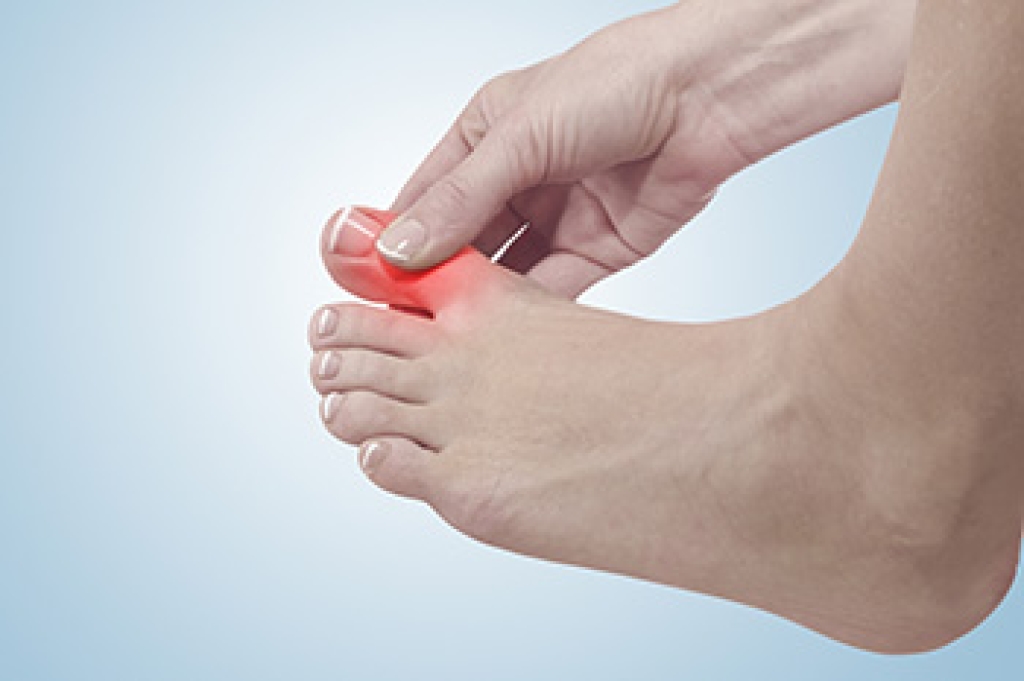
Morton's neuroma is a painful foot condition that commonly affects the areas between the second and third or third and fourth toe, although other areas of the foot are also susceptible. Morton’s neuroma is caused by an inflamed nerve in the foot that is being squeezed and aggravated by surrounding bones.

What Increases the Chances of Having Morton’s Neuroma?

  • Ill-fitting high heels or shoes that add pressure to the toe or foot
  • Jogging, running or any sport that involves constant impact to the foot
  • Flat feet, bunions, and any other foot deformities

Morton’s neuroma is a very treatable condition. Orthotics and shoe inserts can often be used to alleviate the pain on the forefront of the feet. In more severe cases, corticosteroids can also be prescribed. In order to figure out the best treatment for your neuroma, it’s recommended to seek the care of a podiatrist who can diagnose your condition and provide different treatment options.

If you have any questions, please feel free to contact our offices located in Reading and Rittenhouse Square, PA . We offer the newest diagnostic and treatment technologies for all your foot care needs.
Read more about Morton's Neuroma

Managing Gout Flares and Protecting Your Foot Health

Gout is a painful form of arthritis caused by a buildup of uric acid crystals in the joints, often affecting the big toe. It may develop due to genetics, a diet high in purines, dehydration, or certain medical conditions. A gout flare-up can make the affected joint appear red, swollen, and shiny, and it often feels intensely painful even with the light pressure of a bedsheet. Some individuals describe the sensation as burning or throbbing, and mobility can become difficult during an attack. An interesting fact is that gout has been documented for thousands of years and was once called the disease of kings due to its association with rich foods. A podiatrist can help by identifying the cause of your foot pain, assessing inflammation, and confirming gout through clinical evaluation or imaging. Treatment may include medication, footwear guidance, joint protection strategies, and long-term prevention education. If you experience sudden joint pain or suspect gout, it is suggested that you make an appointment with a podiatrist.

Gout is a foot condition that requires certain treatment and care. If you are seeking treatment, contact Patricia Mcilrath, DPM from Health One Podiatry. Our doctor will treat your foot and ankle needs.

What Is Gout?

Gout is a type of arthritis caused by a buildup of uric acid in the bloodstream. It often develops in the foot, especially the big toe area, although it can manifest in other parts of the body as well. Gout can make walking and standing very painful and is especially common in diabetics and the obese.

People typically get gout because of a poor diet. Genetic predisposition is also a factor. The children of parents who have had gout frequently have a chance of developing it themselves.

Gout can easily be identified by redness and inflammation of the big toe and the surrounding areas of the foot. Other symptoms include extreme fatigue, joint pain, and running high fevers. Sometimes corticosteroid drugs can be prescribed to treat gout, but the best way to combat this disease is to get more exercise and eat a better diet.

If you have any questions, please feel free to contact our offices located in Reading and Rittenhouse Square, PA . We offer the newest diagnostic and treatment technologies for all your foot care needs.

Read more about Everything You Need to Know About Gout

Connect With Us

scroll to top